Bangladesh Oath Ceremony Sparks Constitutional Confrontation in Dhaka
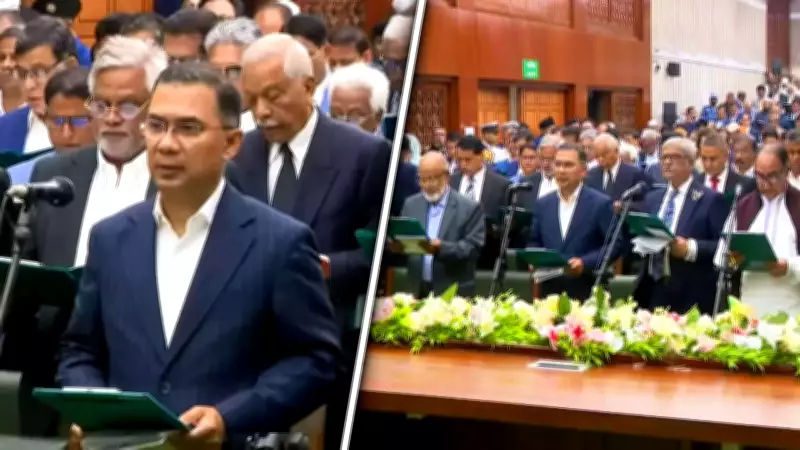
What was intended as a moment of democratic renewal has descended into a significant constitutional confrontation in Dhaka. The political landscape of Bangladesh is now embroiled in a heated dispute following the oath-taking ceremony of newly elected lawmakers.
BNP Lawmakers Defy Interim Government's Proposal
Lawmakers from the Bangladesh Nationalist Party (BNP) have taken their oaths as Members of Parliament, but they have firmly rejected a parallel pledge to join a newly proposed Constitution Reform Council. This council was put forward by outgoing interim chief Muhammad Yunus, who has been overseeing the transitional government.
The proposed constitutional reforms had previously been endorsed in a national referendum, adding a layer of legitimacy to Yunus's initiative. However, BNP leaders are standing their ground, insisting that no such reform body exists within the current legal framework of Bangladesh. This defiance highlights a deep-seated disagreement over the interpretation and implementation of the country's constitutional processes.

Jamaat-e-Islami Escalates Political Standoff
Adding fuel to the fire, the Jamaat-e-Islami party has escalated the political standoff by refusing to take their oaths altogether unless the reform pledge is adopted. This move intensifies the crisis, creating a broader coalition of opposition to Yunus's proposal and threatening to delay or disrupt the formation of the new government.
The refusal by Jamaat-e-Islami underscores the high stakes involved, as political brinkmanship takes center stage in Bangladesh's fragile transition period. The situation is further complicated by the involvement of multiple political factions, each with their own agendas and legal interpretations.
Tarique Rahman Set to Lead New Government
Amid this turmoil, Tarique Rahman is poised to lead the new government, with President Mohammed Shahabuddin expected to administer the prime ministerial oath in the coming days. Rahman's ascension to power marks a significant shift in Bangladesh's political leadership, but it begins under the shadow of institutional debate and unresolved constitutional issues.
The transition period, which should symbolize a smooth handover of power, is now characterized by uncertainty and political maneuvering. The standoff over the Constitution Reform Council not only challenges the outgoing administration's legacy but also sets the tone for Rahman's upcoming tenure, potentially affecting governance and stability.
Implications for Bangladesh's Democratic Future
This constitutional confrontation raises critical questions about the future of democracy in Bangladesh. The clash between elected representatives and interim proposals highlights the tensions between established legal frameworks and reformative initiatives. As the nation watches closely, the outcome of this dispute could have lasting impacts on political norms and institutional trust.
With political brinkmanship at play, Bangladesh's transition is at a crossroads. The resolution of this crisis will require delicate negotiations and a commitment to constitutional integrity, ensuring that democratic principles are upheld while addressing the need for potential reforms. The world is observing how Bangladesh navigates this challenging period, with implications for regional stability and democratic governance.