

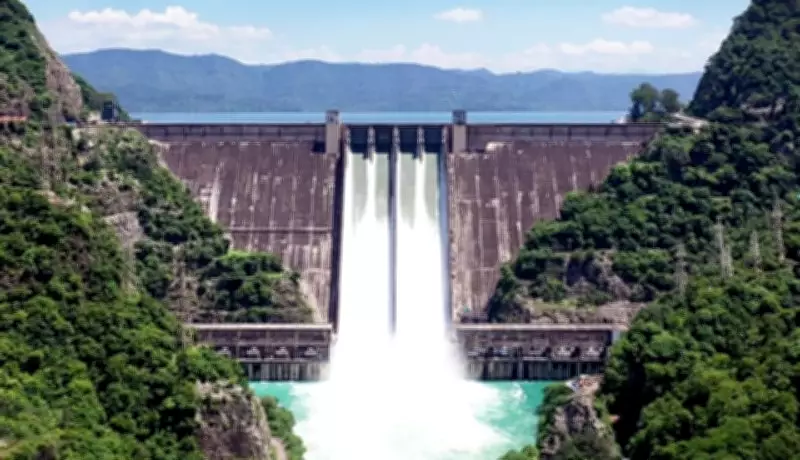
BBMB Rule Amendment Ignites Federalism Debate in India
The recent amendment to the rules governing the Bhakra Beas Management Board (BBMB) by the central government has sparked a significant controversy, raising critical questions about the erosion of federal principles and the dilution of riparian rights in India. This move, which allows for the appointment of members from non-riparian states to the BBMB, has drawn sharp criticism from stakeholders, particularly in Punjab and Haryana, who view it as a direct assault on their traditional water-sharing entitlements.
Understanding the BBMB and Its Historical Context
The Bhakra Beas Management Board is a pivotal institution established under the Punjab Reorganisation Act of 1966 to oversee the management, operation, and maintenance of the Bhakra Nangal and Beas projects. Historically, the BBMB has operated under a framework that prioritized the interests of riparian states—specifically Punjab and Haryana—which are directly affected by the waters of the Sutlej and Beas rivers. This arrangement was rooted in the principle of riparian rights, a legal doctrine that grants states or regions bordering a water body preferential access to its resources.
The board's composition traditionally included members appointed by the governments of Punjab and Haryana, ensuring their voices were central in decision-making processes related to water allocation and infrastructure management. This structure was designed to balance regional interests while promoting cooperative federalism, where states collaborate with the central government on shared resources.

The Central Government's Rule Change and Its Implications
In a decisive shift, the central government has amended the BBMB rules to permit the appointment of two part-time members from states that are not riparian to the Sutlej-Beas basin. This change effectively opens the door for representation from other regions, such as Rajasthan or Himachal Pradesh, which may have indirect interests in the water resources but lack traditional riparian claims.
Proponents of the amendment argue that it modernizes the BBMB's governance structure, fostering a more inclusive approach that reflects India's evolving water management needs. They contend that as water scarcity and interstate disputes intensify, a broader perspective is necessary to ensure equitable distribution and sustainable development. However, this rationale has been met with skepticism from critics who see it as a top-down imposition that undermines state autonomy.
Erosion of Federalism and Riparian Rights
The core of the controversy lies in the perceived erosion of federalism—the distribution of power between the central and state governments. By altering the BBMB's composition without extensive consultation with Punjab and Haryana, the central government is accused of centralizing control over a critical resource, thereby weakening the cooperative federal framework. This move is seen as part of a broader trend where the center asserts dominance in areas traditionally managed through interstate agreements.
Riparian rights, which have long guided water-sharing arrangements in India, are also at stake. The dilution of these rights through the inclusion of non-riparian members could set a precedent for similar changes in other river basins, potentially leading to increased conflicts over water resources. Stakeholders in Punjab and Haryana fear that their historical entitlements may be compromised, affecting agricultural, industrial, and domestic water needs in these states.
Potential Consequences and Broader Impact
The BBMB rule change has several potential consequences:

- Increased Interstate Tensions: The amendment may exacerbate existing disputes between riparian and non-riparian states, leading to legal battles and political friction.
- Impact on Water Management: Decisions on water allocation and infrastructure could become more politicized, potentially hindering efficient management of the Bhakra and Beas projects.
- Precedent for Other Basins: If upheld, this change could inspire similar amendments in other river boards, reshaping India's water governance landscape.
Beyond immediate concerns, this issue touches on larger themes of environmental justice and sustainable development. As climate change intensifies water scarcity, the need for transparent and equitable governance mechanisms becomes ever more critical. The BBMB controversy serves as a reminder of the delicate balance required in managing shared resources within a federal democracy.
Looking Ahead: Calls for Dialogue and Reform
In response to the backlash, there have been calls for renewed dialogue between the central government and the affected states. Advocates for federalism emphasize the importance of collaborative decision-making, suggesting that any changes to the BBMB rules should involve consensus-building and respect for historical agreements.
Moving forward, stakeholders are urging a review of the amendment to ensure it aligns with principles of cooperative federalism and riparian rights. This may involve exploring alternative governance models that incorporate broader perspectives without diluting state autonomy. As India grapples with complex water challenges, the outcome of this debate could have lasting implications for federal relations and resource management across the country.
The BBMB rule change is more than a bureaucratic adjustment; it is a litmus test for India's commitment to federalism and equitable resource sharing. How this issue is resolved will likely influence future policies on water governance and interstate cooperation, making it a pivotal moment in the nation's ongoing development narrative.





