

Bengal Minister Accuses Centre of Using Vande Mataram to Demean Tagore
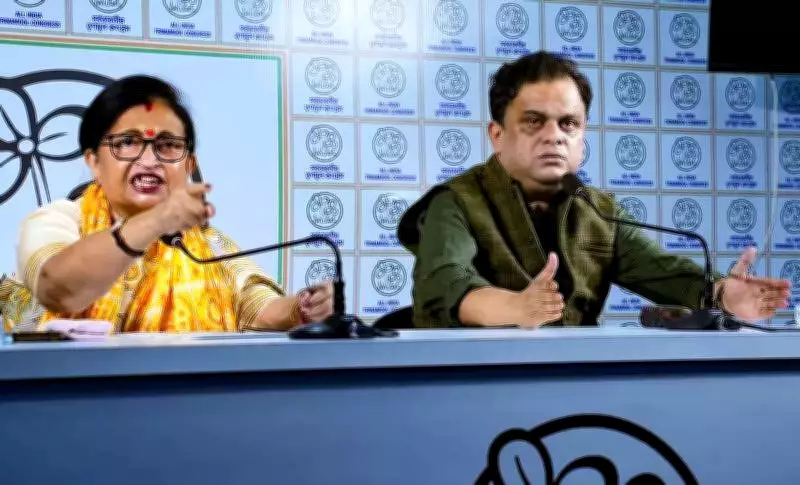
In a sharp critique, West Bengal Education Minister Bratya Basu stated on Thursday that the central government's circular on Vande Mataram was not intended to glorify the song or its creator, Bankim Chandra Chattopadhyay, but rather to demean and belittle Nobel laureate Rabindranath Tagore. Speaking to reporters in Kolkata, Basu emphasized that the Trinamool Congress has been clear and candid on this issue, asserting that while Chattopadhyay's Vande Mataram is revered in Bengal, the Centre's actions were politically motivated.
Historical and Political Context
Basu highlighted that it is a historical fact that rightist forces, such as the RSS, do not favor Tagore due to his messages of unity and inclusiveness, which contrast with their divisive ideologies. Tagore is interwoven in the Bengali soul and is the country's first Nobel laureate, Basu added, underscoring Tagore's significance in Indian culture and literature. He accused the BJP of promoting divisiveness by pitting various groups against each other, including Bengali-speaking versus Hindi-speaking people, Hindus versus Muslims, and Brahmins versus Dalits, and now extending this to Chattopadhyay versus Tagore.
Allegations of Distortion
The ministers' statements follow allegations by the Trinamool Congress that the central notification altered parts of the third stanza in the original rendition of Vande Mataram from Anandamath. State Finance Minister Chandrima Bhattacharya commented on the Centre's approach, noting their apparent love for Chattopadhyay when they referred to him as Bankim Da, suggesting this might be a form of damage control. The TMC has accused the Ministry of Home Affairs of distorting the original lyrics penned by Rishi Bankim Chandra Chattopadhyay in an official notification.

This controversy adds to ongoing political tensions in Bengal, with Basu reiterating that the Centre's move is part of a broader strategy to undermine Tagore's legacy and promote divisive politics. The issue has sparked debates on cultural heritage and political motives, with Trinamool leaders calling for a reevaluation of the circular's intent and implementation.






