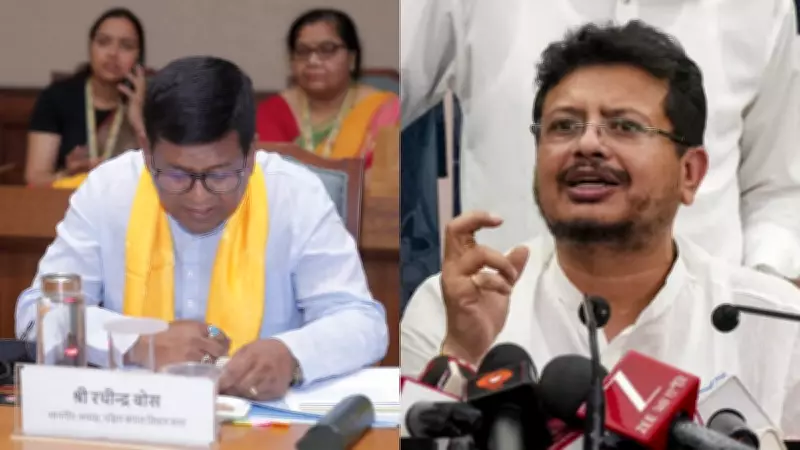
The Speaker of the West Bengal Legislative Assembly has stated that the Trinamool Congress (TMC) did not adhere to established procedures, making it inappropriate to refer to Ritabrata Banerjee as an 'expelled' leader. This development comes as Bengal prepares to become the 32nd state to join a new system.
Speaker's Ruling on Ritabrata Banerjee
In a significant ruling, the Speaker declared that the TMC's actions against Ritabrata Banerjee were not in line with party rules or legislative norms. Therefore, the term 'expelled' cannot be officially used for the leader. The Speaker emphasized that due process must be followed in such matters.
Background of the Controversy
Ritabrata Banerjee, a former TMC member, had been at the center of a political dispute after the party claimed to have expelled him. However, the Speaker's intervention has now clarified the legal and procedural standing.

Bengal to Join New System
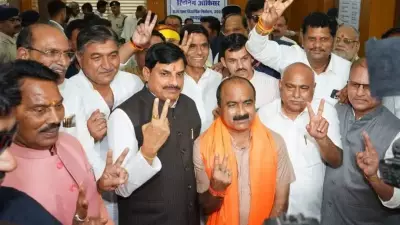
In a related development, West Bengal is set to become the 32nd state to join a new governance system. This move is expected to bring administrative changes and improve efficiency. The Speaker's remarks come amid heightened political activity in the state.
Implications for TMC
The ruling is a setback for the TMC, as it questions the party's internal decision-making processes. Political analysts suggest that this could lead to further scrutiny of party actions. The Speaker's statement underscores the importance of following constitutional and procedural guidelines.
Reactions from Political Circles
Opposition parties have welcomed the Speaker's decision, calling it a victory for democratic principles. They argue that the TMC has often bypassed rules, and this ruling sets a precedent. Meanwhile, TMC leaders have remained cautious in their response.
As West Bengal prepares for this new chapter, the focus remains on ensuring transparency and accountability in political processes. The Speaker's ruling serves as a reminder that no party is above the law.