

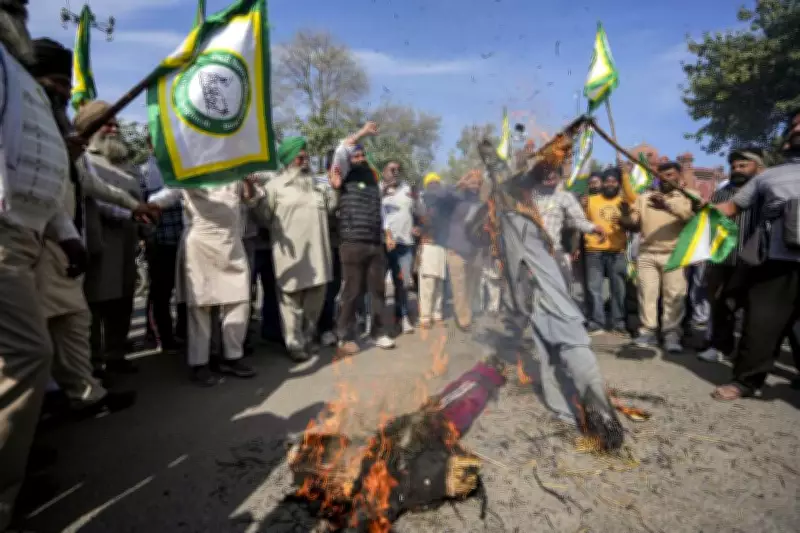
Bharat Bandh Draws Mixed Response Across India, Minimal Disruption Reported
The nationwide strike, known as the Bharat Bandh, called by farmer unions on Wednesday, February 12, 2026, has elicited a varied response across different states, with reports indicating no significant impact on normal life in several regions. The bandh was organized to protest against agricultural policies and demand better support for farmers, but its effectiveness varied widely depending on local factors and political dynamics.
State-Wise Impact and Public Response
In states like Punjab and Haryana, where farmer movements have strong roots, the bandh saw partial success with some shops and businesses remaining closed, and protests held in key areas. However, in many other states, including Maharashtra, Karnataka, and Tamil Nadu, normal life continued largely uninterrupted. Public transportation, schools, and offices operated as usual, with minimal reports of disruptions or violence.
Key observations from the ground include:

- In urban centers like Delhi and Mumbai, daily routines were largely unaffected, with markets and offices open.
- Rural areas in some northern states witnessed more participation, with farmers blocking highways temporarily.
- No major incidents of violence or clashes were reported, maintaining a peaceful atmosphere overall.
Political Reactions and Farmer Demands
Political parties have responded diversely to the bandh. Opposition groups have expressed solidarity with the farmers, criticizing the government's handling of agricultural issues. In contrast, ruling party representatives downplayed the bandh's impact, emphasizing that normalcy prevailed in most parts of the country.
Farmer leaders highlighted that the bandh aimed to draw attention to longstanding grievances, including demands for higher minimum support prices (MSP) and debt relief. They noted that while the response was mixed, the protest succeeded in keeping the issues in public discourse.
Economic and Social Implications
The limited disruption suggests that the bandh had a muted effect on economic activities, with trade and commerce continuing smoothly in many regions. This outcome may reflect a broader public sentiment or logistical challenges in mobilizing widespread support. Analysts point out that such mixed responses are common in large-scale protests, where regional variations play a crucial role.
Looking ahead, farmer unions plan to continue their agitation through other means, including rallies and negotiations with authorities. The government has indicated willingness to engage in dialogue, but no immediate breakthroughs have been announced. The situation remains fluid, with stakeholders monitoring developments closely.






