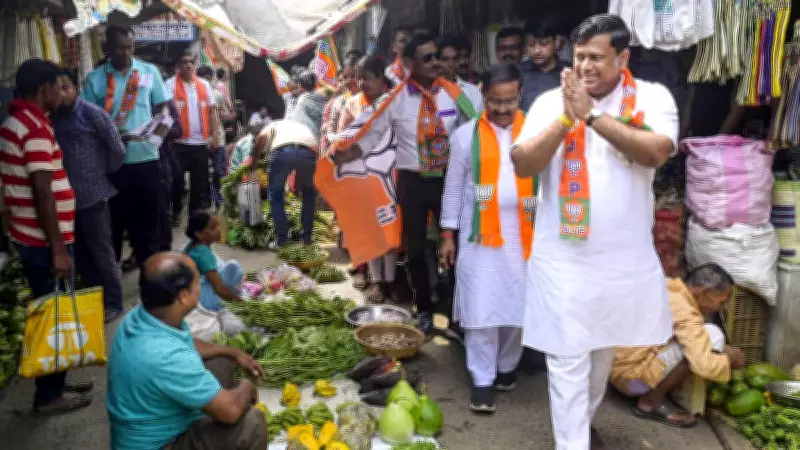
BJP Sharpens Focus on Narrow-Margin Seats for 2026 West Bengal Assembly Elections
The Bharatiya Janata Party (BJP) has unveiled a targeted strategy for the upcoming West Bengal Assembly elections in 2026, centering its efforts on constituencies where the Trinamool Congress (TMC) secured victories by thin margins. This approach marks a significant shift from broader campaigning tactics, as the party aims to maximize its gains in a highly competitive political landscape.
Strategic Shift Towards Precision Targeting
In a move to bolster its electoral prospects, the BJP is zeroing in on seats that the TMC won by narrow margins in previous elections. This strategy is designed to capitalize on vulnerabilities within the TMC's stronghold, rather than spreading resources thinly across the state. By focusing on these specific constituencies, the BJP hopes to convert close contests into decisive wins, thereby increasing its seat count in the assembly.
The party has set an ambitious target of securing 170 seats in the 294-member West Bengal Legislative Assembly. Achieving this goal is seen as crucial for the BJP to form a government in the state, which has long been dominated by the TMC under Chief Minister Mamata Banerjee. This targeted approach underscores the party's recognition of the need for a more nuanced and data-driven campaign in West Bengal.

Analysis of Previous Election Results
Historical data from recent West Bengal Assembly elections reveals that several seats were won by the TMC with margins of less than 5,000 votes. These narrow victories highlight potential opportunities for the BJP to make inroads. For instance, in the 2021 elections, the TMC secured numerous seats by slim margins, indicating areas where voter sentiment might be more fluid and susceptible to change.
The BJP's strategy involves a detailed analysis of these results to identify key constituencies. By leveraging local issues and grassroots mobilization, the party aims to sway voters in these areas. This method contrasts with past approaches that often relied on broader national narratives, suggesting a more localized and focused effort in the run-up to the 2026 polls.
Implications for West Bengal's Political Dynamics
This targeted strategy by the BJP could significantly alter the political dynamics in West Bengal. If successful, it may lead to a more fragmented assembly, with the BJP gaining ground in traditionally TMC-dominated regions. Such a shift would not only impact state governance but also influence national politics, given West Bengal's strategic importance in India's electoral map.
Moreover, the TMC is likely to respond by reinforcing its presence in these vulnerable seats, potentially leading to intensified campaigning and political rivalry. This could result in a highly charged election atmosphere, with both parties vying for the support of undecided and swing voters.
Challenges and Opportunities Ahead
While the BJP's focus on narrow-margin seats presents opportunities, it also comes with challenges. The party must navigate local issues, caste dynamics, and regional sentiments to effectively connect with voters. Additionally, maintaining momentum over the next two years will require sustained effort and resource allocation.
On the other hand, this strategy allows the BJP to concentrate its energies where they are most likely to yield results, avoiding the pitfalls of overextension. By building a strong organizational presence in these constituencies, the party can work towards consolidating its support base and expanding its influence in West Bengal.
As the 2026 West Bengal Assembly elections approach, all eyes will be on how this targeted approach unfolds and whether it can propel the BJP towards its goal of 170 seats. The outcome will not only shape the state's future but also have broader implications for Indian politics.