

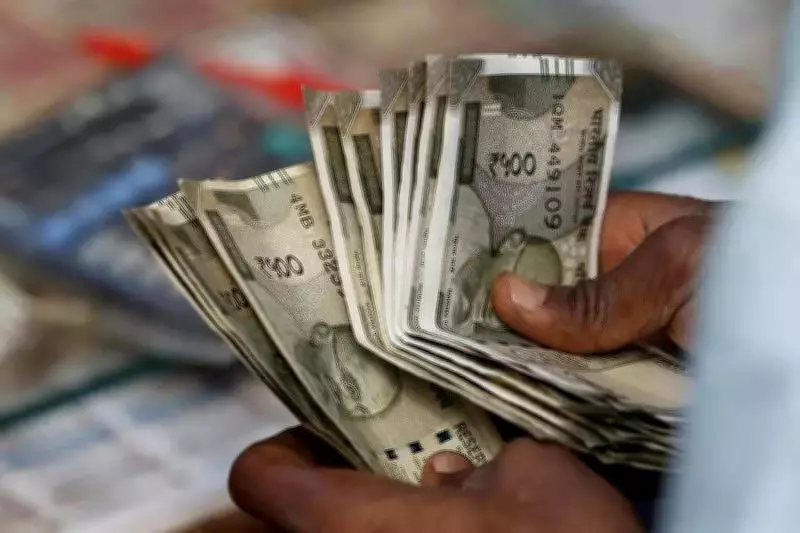
BJP MP Calls for Treason Charges in Fake Currency Cases, Proposes Comprehensive Reforms
In a significant parliamentary intervention, Bharatiya Janata Party (BJP) Rajya Sabha member Ajeet Gopchade has demanded that crimes related to the production and circulation of counterfeit Indian currency notes be treated with the utmost severity, including the potential invocation of treason charges among other legal provisions. The MP from Chhatrapati Sambhajinagar emphasized the grave national security implications of such activities during his address in Parliament.
Strategic Shift in Counterfeit Operations
Gopchade highlighted a concerning strategic evolution in how counterfeit networks are operating across India. "There is a gradual but persistent increase in the circulation of fake Indian currency, particularly targeting smaller denominations like Rs200, Rs100, Rs50, and Rs20," the parliamentarian stated. Rather than attempting to flood markets with large quantities of high-value notes that attract immediate attention, these criminal networks are now releasing carefully controlled small batches of lower denomination notes to evade detection systems.
This sophisticated approach has allowed counterfeit currency to spread quietly through small cities, towns, villages, and local markets across the country, causing direct financial harm to ordinary citizens who rely on cash transactions for their daily needs.

Proposed Multi-Agency Task Force and Historical Terror Links
The BJP MP stressed the urgent need for establishing a specialized joint task force comprising three key agencies:
- The Reserve Bank of India (RBI)
- The National Investigation Agency (NIA)
- The Enforcement Directorate (ED)
This coordinated investigative body would specifically target counterfeit currency networks, with Gopchade citing historical evidence that demonstrates clear links between such operations and terrorist financing activities that threaten national security.
Disproportionate Impact on Vulnerable Populations
Gopchade painted a stark picture of how counterfeit currency disproportionately affects India's most vulnerable citizens. "The greatest burden is unquestionably borne by the poor, farmers, daily wage laborers, and small shopkeepers who still conduct the majority of their transactions in cash," he explained.
The parliamentarian described what he called "a tragic situation" that unfolds when an honest citizen unknowingly accepts a counterfeit note. "When these individuals attempt to do the right thing by taking the fake currency to a bank or police station, their money is simply confiscated without compensation, leaving them at a total financial loss that they can ill afford," Gopchade noted with concern.
Comprehensive Policy Recommendations
To address these systemic challenges, the MP from Nanded district in Maharashtra's Marathwada region proposed a multi-pronged strategy:
- 100% Refund Policy: The government should implement a complete refund system for citizens who voluntarily report counterfeit currency to authorities. This measure would encourage transparency and reporting without fear of financial penalty.
- Simplified Reporting Mechanisms: Banks must establish straightforward and rapid reporting systems specifically designed for fake currency incidents to streamline the identification and removal process.
- Regular Security Updates: Currency note security features should be systematically updated every eight to ten years to stay ahead of increasingly sophisticated counterfeiters.
- Technology-Enhanced Border Security: Integration of Artificial Intelligence (AI) and advanced scanning systems at national borders to intercept counterfeit currency before it enters domestic circulation.
Gopchade's recommendations represent a comprehensive approach to combating what he views as not merely an economic crime but a potential national security threat that requires coordinated action across financial, investigative, and technological domains.






