

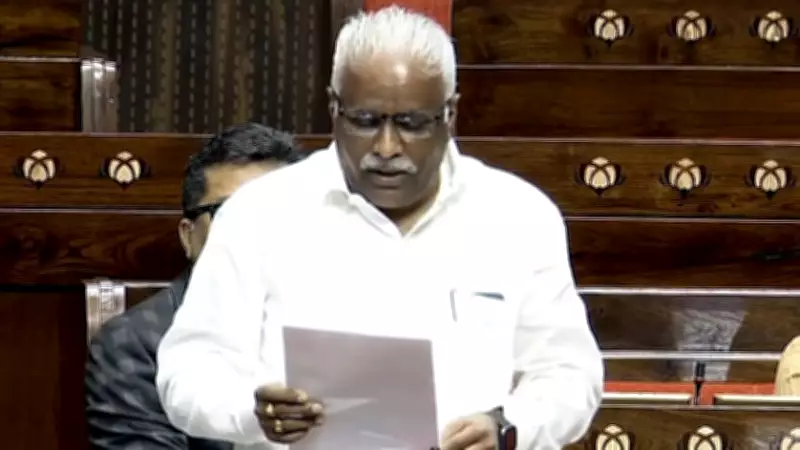
BJP MP Calls for Action Against Airlines Over Belagavi Airport Route Reductions
In a significant development concerning regional air connectivity, BJP Member of Parliament Suresh Kadadi has strongly urged the government to take decisive action against airlines that have halted operations on profitable routes from Belagavi Airport in Karnataka. Raising the issue during the Zero Hour in the Rajya Sabha, the Upper House of Parliament, Kadadi highlighted a concerning decline in air connectivity that contradicts the objectives of the government's flagship UDAN (Ude Desh ka Aam Naagrik) scheme.
Sharp Decline in Connectivity Under UDAN-3
The MP pointed out a stark contrast between the planned connectivity and the current reality. Under the UDAN-3 initiative, Belagavi Airport was designated to be connected to 13 different cities across India through the services of five different airlines. This ambitious plan was part of a broader effort to enhance regional air travel and boost economic activity in non-metro areas.
However, Kadadi revealed that this connectivity has now been drastically reduced. Currently, only five cities are served from Belagavi, operated by just two airlines. This represents a reduction of over 60% in the number of connected destinations and a 60% drop in airline participation. The MP emphasized that many of the discontinued routes were reportedly profitable, raising questions about the airlines' commitment to regional connectivity mandates.

Impact on Regional Development and Passenger Convenience
The reduction in air connectivity has significant implications for the region. Belagavi, an important city in northern Karnataka known for its educational institutions, industries, and cultural heritage, relies on robust air links for business travel, tourism, and emergency medical evacuations. The curtailed service limits options for residents and visitors alike, potentially hampering economic growth and development in the area.
Kadadi's intervention underscores a growing concern about the implementation of the UDAN scheme, which aims to make air travel affordable and accessible to common citizens. When airlines withdraw from profitable routes, it not only defeats the scheme's purpose but also creates inconvenience for passengers who have come to depend on these air services.
Parliamentary Demand for Accountability
By raising the matter during Zero Hour, the BJP MP has brought national attention to what he perceives as a failure by airlines to fulfill their commitments under the regional connectivity scheme. Zero Hour allows MPs to raise issues of urgent public importance without prior notice, indicating the significance Kadadi attaches to this matter.
The MP's demand for action suggests he seeks regulatory intervention to ensure airlines honor their route commitments, especially when those routes demonstrate financial viability. This could involve penalties, route reallocation, or other measures to restore connectivity. The issue touches on broader themes of corporate responsibility, regulatory oversight, and the balance between commercial interests and public service obligations in the aviation sector.
As the matter now enters parliamentary record, it remains to be seen how the Ministry of Civil Aviation and the Directorate General of Civil Aviation respond to these concerns. The development highlights ongoing challenges in sustaining air connectivity to smaller cities despite government initiatives designed specifically to address this gap.






