

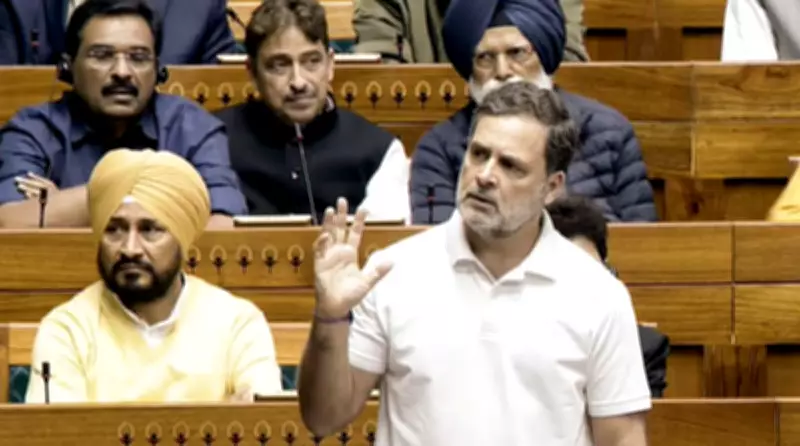
BJP Initiates Formal Action to Disqualify Rahul Gandhi from Parliament
The Bharatiya Janata Party (BJP) has taken a significant political step by filing a formal notice to terminate Rahul Gandhi's membership in the Lok Sabha. This move, which also seeks to bar the Congress leader from contesting any future elections, marks a major escalation in the ongoing political rivalry between India's two largest parties.
Details of the Disqualification Notice
The notice, filed on February 12, 2026, alleges that Rahul Gandhi has violated parliamentary conduct rules and ethical standards, warranting his immediate removal from the lower house of Parliament. The BJP has cited specific instances of what they describe as "unbecoming behavior" and "misuse of parliamentary privileges" as grounds for this unprecedented action.
The political implications are substantial, as this represents one of the most direct attempts to remove a senior opposition leader from electoral politics. If successful, the move would not only vacate Rahul Gandhi's current parliamentary seat but would also prevent him from standing for elections at any level in the future.

Congress Party's Response and Political Fallout
The Congress party has vehemently opposed the BJP's action, calling it a politically motivated attack designed to silence opposition voices. Senior Congress leaders have announced they will challenge the notice through all available legal and parliamentary channels, setting the stage for a prolonged political and legal battle.
This development comes at a crucial time in Indian politics, with both parties preparing for upcoming state and national elections. The move has already intensified political discourse across the country, with supporters and critics of both parties engaging in heated debates about parliamentary norms and democratic principles.
Legal and Constitutional Considerations
The process for disqualifying a sitting member of Parliament involves several constitutional and procedural steps:
- Formal notice must be submitted to the Speaker of the Lok Sabha
- The Speaker must examine the merits of the case
- A parliamentary committee may be convened to investigate the allegations
- Final decision rests with the Speaker, subject to judicial review
Legal experts note that while the Constitution provides mechanisms for disqualifying members, such actions are rare and typically reserved for serious violations of law or parliamentary conduct. The BJP's notice represents one of the most high-profile attempts to use these provisions against a major political figure.
Broader Political Context and Implications
This development occurs against the backdrop of increasing political polarization in India. The BJP's move to disqualify Rahul Gandhi reflects the intensifying competition between the ruling party and the principal opposition, with both sides seeking to gain strategic advantages ahead of crucial electoral contests.
The outcome of this case could have far-reaching consequences for Indian democracy, potentially setting precedents for how parliamentary privileges are interpreted and enforced. It also raises important questions about the balance between political competition and institutional norms in the world's largest democracy.
As the situation develops, political observers will be closely monitoring parliamentary proceedings, legal challenges, and public reactions to this unprecedented attempt to remove a senior opposition leader from electoral politics. The coming weeks are likely to see intense political maneuvering as both parties position themselves for what promises to be a defining moment in contemporary Indian politics.






