Iran Showcases Israeli Drone Wreckage in Defiant Public Display
In a bold and calculated move, the Islamic Republic of Iran has delivered a stark message to its adversaries on the global stage. As Israeli Prime Minister Benjamin Netanyahu engaged in high-level talks with U.S. President Donald Trump at the White House, Tehran orchestrated a powerful counter-narrative thousands of miles away.
A Public Spectacle of Military Might
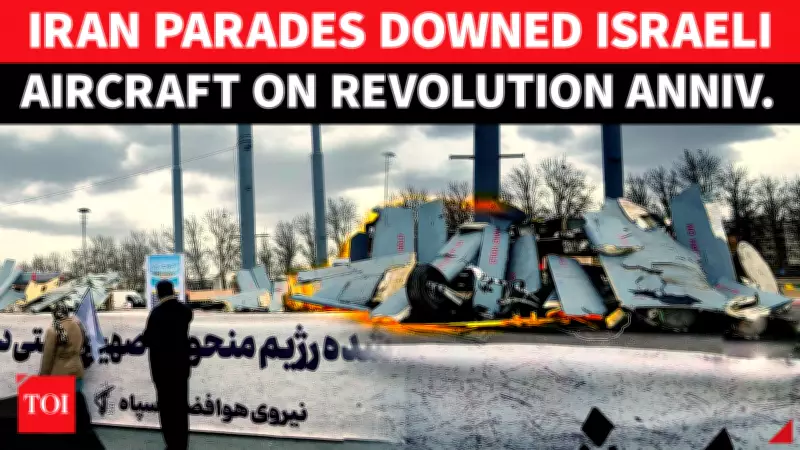
During massive rallies commemorating the 47th anniversary of Iran's Islamic Revolution, authorities unveiled what they claim are the remains of Israeli drones shot down during the intense 12-day Iran–Israel war in June 2025. The wreckage was prominently displayed at Tehran's iconic Azadi Square, transforming the public space into an open-air exhibition of military confrontation.
The display wasn't limited to drone debris alone. Iranian military officials presented an impressive array of cruise and ballistic missiles alongside the damaged aircraft, creating a comprehensive showcase of the nation's defensive and offensive capabilities. This carefully choreographed presentation served as both a historical record and a warning to foreign powers.

Political Timing and Symbolic Messaging
The timing of this revelation was particularly significant. As Netanyahu and Trump discussed regional security concerns, including Iran's nuclear program and regional influence, Tehran's public exhibition served as a direct response to those discussions. The visual evidence of downed Israeli drones was presented as tangible proof of Iran's resistance capabilities and its determination to defend its sovereignty.
Throughout the event, massive crowds filled the square, chanting traditional revolutionary slogans including "Death to America" and "Death to Israel." These chants, combined with the military hardware on display, created a powerful atmosphere of defiance and national unity against perceived external threats.
Broader Strategic Implications
This public spectacle occurs against a backdrop of escalating regional tensions. Iran's nuclear program continues to be a point of international contention, with negotiations stalling and sanctions remaining in place. The display of military capabilities serves multiple purposes for Tehran's leadership:
- Demonstrating deterrence capabilities to both Israel and the United States
- Bolstering domestic support by showcasing military achievements
- Projecting strength amid ongoing regional power struggles
- Countering diplomatic pressure through visible military displays
The wreckage exhibition represents more than just a military showcase—it's a carefully crafted piece of political theater designed to influence both domestic and international audiences. By presenting physical evidence of downed Israeli drones, Iran aims to validate its narrative of successful resistance against foreign aggression.
Regional Security Context
The June 2025 conflict between Iran and Israel marked a significant escalation in their long-standing shadow war. While details of the engagement remain contested by both sides, Iran's public display of wreckage represents an attempt to control the narrative surrounding those hostilities. The exhibition serves as a reminder that despite diplomatic efforts and international pressure, military confrontations between regional powers continue to shape the Middle East's security landscape.
As tensions between Tehran and Washington continue to harden, and with Israel maintaining its position against Iranian regional influence, such public displays of military capability are likely to become more frequent. They represent both a warning to adversaries and a rallying point for domestic constituencies who view resistance against Western powers as central to Iran's revolutionary identity.
The Azadi Square exhibition ultimately underscores Iran's determination to assert its regional role despite international opposition, using both military hardware and public spectacle to communicate its resolve to friends and foes alike.