

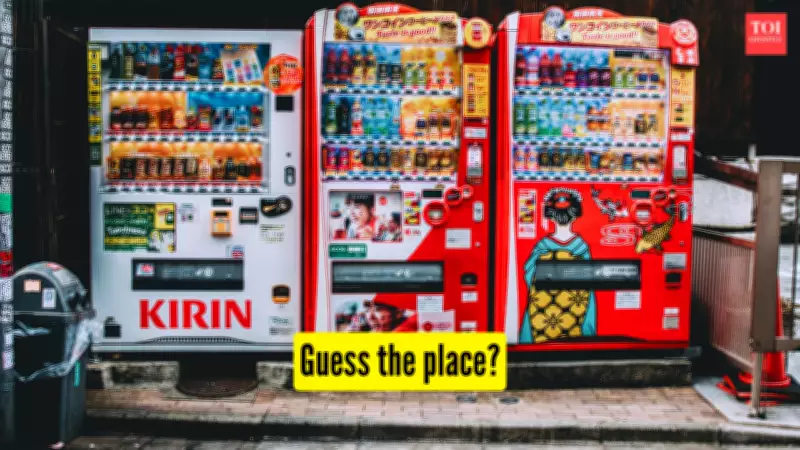
Japan's Vending Machine Revolution: Beyond Snacks and Drinks
While airports, train stations, and street corners globally are dotted with vending machines typically offering chips and cold drinks, Japan takes this concept to an entirely new level. In this country, vending machines are not just commonplace; they are an integral part of daily life, appearing in bustling urban centers, serene rural roads, and even in locations you might never imagine. What they sell goes far beyond the ordinary, transforming these automated units into everyday curiosities that surprise and delight.
A Nation Powered by Vending Machines
With an estimated four million vending machines spread across the nation, Japan boasts one of the highest machine-to-people ratios in the world. These machines are so deeply embedded in the fabric of society that you can stumble upon them in the most unexpected places, often dispensing items that defy conventional expectations. From fresh produce to hot meals, Japan has turned vending into a sophisticated and versatile retail experience.
Elevated Beverages and Alcoholic Options
Most vending machines in Japan do sell beverages, but even the basics feel elevated. You can find hot and cold canned coffee, tea, and soup, with machines intelligently adjusting their offerings based on the weather. Major brands like Kirin, Asahi, and DyDo operate machines that shift inventory with the seasons, providing warm drinks in winter and chilled ones in summer. In certain neighborhoods and rural areas, vending machines even dispense alcoholic beverages such as beer, sake, shochu, and chu-hai cocktails. Some of these machines require age verification through a TASPO card, reflecting Japan's strict alcohol regulations and ensuring responsible consumption.

Full Meals at the Press of a Button
Japanese food vending machines do not stop at snacks; they offer complete meals that can be heated up on the spot. Items like soba noodles, curry dishes, rice meals, and hamburgers are readily available. In Gunma, some machines have been operational since the 1980s, showcasing their durability, while newer models are equipped with advanced technology for enhanced functionality. Cup noodle vending machines by Nissin are a common sight in train stations and dormitory rooms, providing quick and satisfying meals. For those with a sweet tooth, dessert vending machines offer jarred cakes, mochis, canned bread, and ice cream, particularly in trendy areas like Harajuku and Shibuya, where appearance is just as important as taste.
Fresh Produce and Novelty Items
Japan's vending machines become truly unexpected when it comes to fresh produce. Bananas are sold daily from machines inside Shibuya Station, stocked by Dole Japan. In rural areas, simple vending huts operate around the clock, selling fresh eggs and rice, often managed directly by local farmers. Some machines take novelty to the next level: Dashidouraku sells bottled dashi broth with a whole flying fish inside, while Takeo Tokyo offers insect vending machines dispensing edible crickets and beetles, marketed as protein-rich snacks for the adventurous.
Built for Emergencies and Disaster Relief
Japan's vending machines are not just for convenience; they play a crucial role during emergencies. In several districts across Hyogo Prefecture, for instance, vending machines are equipped with a function that unlocks during disasters, providing free food and drinks near shelters. Others are designed to function during power outages, utilizing solar panels to ensure continuous service, highlighting their reliability in critical situations.
Anime, Souvenirs, and Surprises
In pop culture hubs like Akihabara, vending machines are used to sell anime-themed products, capsule toys, mystery boxes, and other collectibles. Gachapon machines, abundant in entire buildings, offer a wide range of items such as figurines and enamel pins. Tourist spots feature machines carrying local specialties like momiji manju from Hiroshima, jingisukan from Hokkaido, matcha sweets from Kyoto, and street food-flavored snacks from Osaka. Even major transport hubs now host souvenir vending machines, catering to busy tourists seeking quick and unique mementos.

Daily Essentials and Commuter Fixes
Vending machines also cater to daily emergencies and needs. In business districts and transport hubs, you can find items like face masks, toothbrush kits, deodorant, socks, neckties, and dress shirts. During the rainy season, umbrella vending machines appear in select locations, offering quick relief when the weather turns unexpectedly wet, ensuring commuters are always prepared.
Cashless, Convenient, and Everywhere
While older machines or those in rural areas may still accept coins and notes, modern vending machines in cities like Tokyo offer advanced payment options. These include IC card systems like Suica and PASMO, credit card payments, and mobile payment systems. Many machines are user-friendly, featuring English language options and the convenience of cashless transactions, making them accessible to both locals and tourists alike.
At first glance, vending machines might seem like simple conveniences, but in Japan, they tell a deeper story about a society that values innovation, dependability, and ingenuity. Whether selling an umbrella, a hot meal, or a surprising novelty item, these machines encapsulate the spirit of Japanese culture, offering a glimpse into a world where automation meets everyday life in extraordinary ways.





