

Navi Mumbai Airport Launch Sparks Ecological Concerns Over Bird Strike Risks
As passenger flights commenced operations from the newly inaugurated Navi Mumbai International Airport (NMIA), environmental groups expressed cautious optimism while issuing stark warnings about unresolved ecological hazards that could potentially collide with aviation safety protocols. The long-awaited airport opening has brought to the forefront persistent concerns regarding large-scale wetland destruction in the surrounding region.
Historical Warnings Ignored
Environmental activists pointed to cautions raised years earlier by the Bombay Natural History Society (BNHS), which had specifically flagged that extensive destruction of wetlands stretching from Panje to Nerul would inevitably displace birds from their traditional habitats. This displacement, experts warned, would push avian populations toward the elevated terrain of the aerodrome and directly into aircraft flight paths, creating significant collision risks.
Despite these explicit warnings, project authorities led by the City and Industrial Development Corporation (CIDCO) proceeded to lease major wetlands in Uran to the Navi Mumbai Special Economic Zone (NMSEZ) and the Jawaharlal Nehru Port Authority (JNPA). According to Nandakumar Pawar, director of environmental group Sagar Shakti, this resulted in numerous water bodies being systematically filled and effectively erased from the landscape.

Visible Ecological Fallout
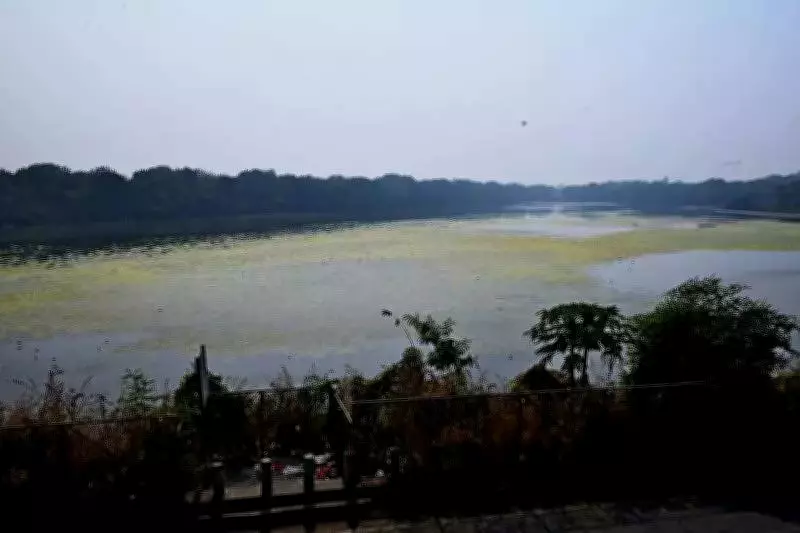
The consequences of these environmental alterations are already manifesting on the ground. Pawar noted that flamingos and other migratory bird species have shifted their regular destinations to remaining wetlands in Nerul, including the DPS Lake, NRI, and TS Chanakya lakes. Concurrently, sightings of the iconic pink birds in Uran have sharply declined, indicating significant habitat disruption.
Pawar further expressed concern about intermittent obstruction of intertidal water flow to the Panje wetland, where approximately 70 illegal sluice gates continue to operate in violation of directions from the high court-appointed wetland committee. This obstruction threatens the delicate ecological balance of the remaining wetland systems.
Airport's Environmental Commitments
The NatConnect Foundation, which has spearheaded multiple campaigns to protect Navi Mumbai's wetlands, stated it hopes NMIA will honor its commitments to conserve regional biodiversity. The airport operator has underscored this commitment through its Environmental Impact Assessment and subsequent environmental compliance reports submitted to the central government.
However, environmentalists cite the May 2024 bird strike incident as a sobering reminder of risks when urban planning interferes with established avian flight paths. In that incident, an Emirates A320 aircraft struck flamingos near Ghatkopar, close to the existing Mumbai airport. According to green groups, the birds involved had been previously chased away from the TS Chanakya wetland to facilitate reclamation for real estate development.
Conflicting Perspectives on Safety
A spokesperson from NMIA acknowledged that bird strikes could occur anywhere, referencing the 2024 incident near Mumbai airport. "The Directorate General of Civil Aviation (DGCA) would not have issued an operating licence if there were unresolved concerns," the spokesperson stated, adding that regulatory authorities must have thoroughly studied the situation before granting clearance.
Yet NatConnect director B N Kumar has repeatedly voiced what he describes as a "serious and continuing safety lapse" involving illegal animal slaughter, open meat sales, and reckless dumping of carcasses in Ulwe, located within approximately 3 kilometers of the NMIA runway. Aviation regulations explicitly prohibit activities that attract large birds within a 10-kilometer radius of airports.
Regulatory and Political Dimensions
The issue has reached the DGCA, with the director taking cognizance of the complaints. Local activist Karan Chawla stated that environmental groups hope the central government will pressure CIDCO to take decisive action to address these concerns.

Political leaders have also entered the fray. Santosh Kate, Ulwe NCP (Ajit Pawar faction) leader who recently staged a hunger strike, alleged that despite repeated reviews by the Aerodrome Environmental Management Committee, little substantive change has occurred on the ground.
Broader Environmental Impacts
Beyond immediate bird-strike risks, Kumar warned of longer-term environmental consequences. He highlighted that flattening of hills, diversion of rivers, and relentless quarrying and stone crushing along the Uran–Panvel stretch of NH-348 continue to degrade air quality in the region.
"The true cost of these interventions will become evident sooner than we think as climate change tightens its grip," Kumar cautioned, suggesting that the ecological price of development might manifest more rapidly than anticipated.
As Navi Mumbai International Airport begins operations, the tension between rapid infrastructure development and environmental preservation remains unresolved, with stakeholders watching closely to see whether aviation safety and ecological conservation can coexist in this rapidly transforming landscape.





