

BJP Initiates Process to Establish New Government in Manipur
In a significant political development, the Bharatiya Janata Party (BJP) has taken decisive steps to install a popular government in Manipur, where President's rule is set to complete one year on February 12. The party's legislative members have convened in the national capital to elect a new leader, who will subsequently be sworn in as the chief minister of the northeastern state.
Political Transition Amidst Ongoing Challenges
Official sources confirm that BJP MLAs are currently in New Delhi, preparing to select a new leader through a legislative party meeting. While the party has not officially announced a specific date for this crucial gathering, it has appointed its general secretary, Tarun Chugh, as the central observer to oversee the election process. This move signals the BJP's intent to swiftly transition from central rule to a democratically elected administration in Manipur.
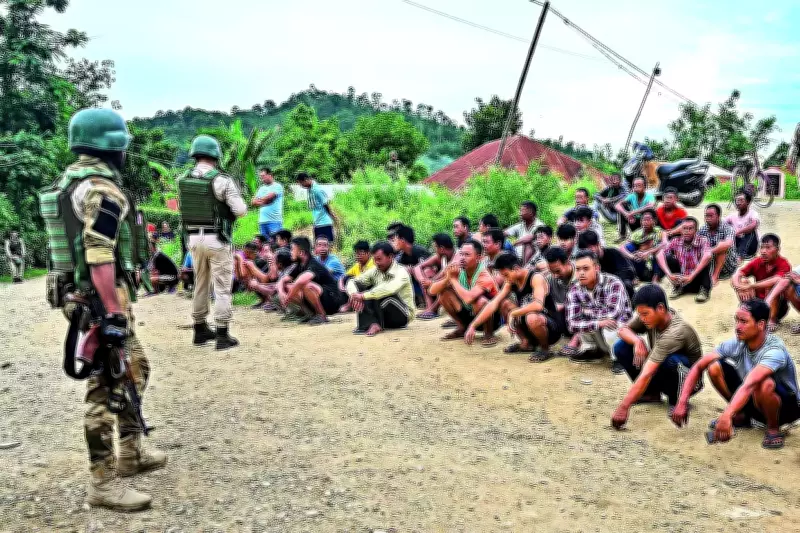
The Centre imposed President's rule on Manipur on February 13 last year, following an extended period of ethnic violence between the Meitei and Kuki communities. This conflict resulted in significant displacement, with members of both communities relocating to areas where their respective groups dominate. The state assembly, where the BJP holds a majority in the 60-member house, has been under suspended animation during this period of central administration.

Leadership Change and Political Strategy
The BJP is expected to introduce a new face to replace outgoing Chief Minister Biren Singh, who resigned just days before President's rule was implemented. Singh had led the state since the party first formed its government in 2017 and secured re-election in 2022. This leadership transition represents a strategic shift as the party navigates complex political circumstances in the region.
Despite a notable reduction in violent incidents, ethnic tensions between the Meitei and Kuki communities persist, presenting ongoing challenges for governance. The Kuki community continues to advocate for administrative autonomy, while the Meiteis strongly oppose any measures they perceive as threatening the state's territorial integrity.
Efforts Toward Reconciliation and Normalization
The central government has engaged in dialogue with ethnic organizations in an attempt to defuse the crisis and foster reconciliation. Prime Minister Narendra Modi's visit to Manipur in September last year was widely regarded as a significant step toward restoring normalcy and demonstrating the Centre's commitment to the state's stability.
As the BJP prepares to assume governance once again, party leadership must carefully balance these competing interests while addressing the underlying causes of ethnic discord. The formation of a new government marks a critical juncture in Manipur's political landscape, with implications for both regional stability and national politics.






