

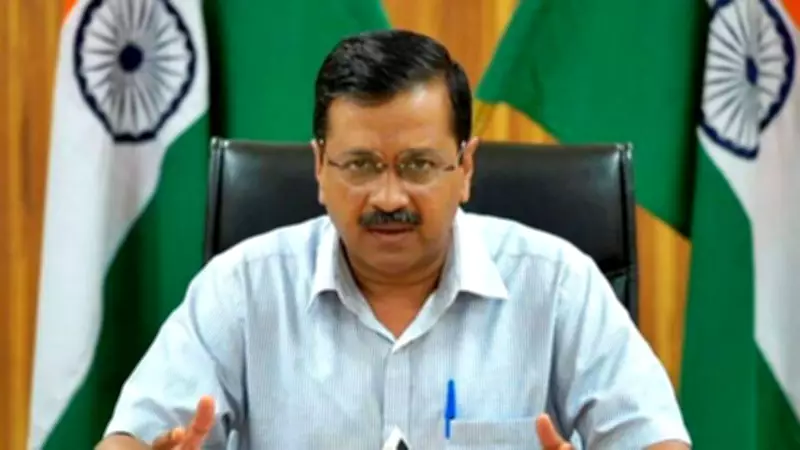
BJP Government Withdraws Majority of AAP's Cases Against Centre and L-G
The BJP-led government in Delhi has withdrawn a significant majority of the legal cases that were filed by the previous Aam Aadmi Party (AAP) administration against the Central government, the Lieutenant Governor (L-G), and several senior bureaucrats. This strategic move is aimed at resolving long-standing political disputes and facilitating the implementation of various stalled projects and schemes in the national capital.
Background and Process of Case Withdrawal
According to official sources, over 20 such cases were initiated by the AAP government, including 12 specifically targeting the L-G. The withdrawal process involves an internal government decision after consultations with legal officers, followed by a formal application submitted to the concerned courts. A case is officially withdrawn only when the court issues a formal order, recording the disposal based on mutual consent from all involved parties.
Law Minister Kapil Mishra commented on the situation, stating, "Cases between agencies, filed against each other due to political mud-slinging, are being withdrawn." A senior Delhi government official elaborated that the withdrawal process began shortly after the BJP formed the government in Delhi. The official noted that many of these cases were politically motivated, intended to obstruct the Delhi government's projects and schemes, resulting in wasted resources and administrative delays.

Legal and Administrative Rationale
The Law Department had previously highlighted the negative impacts of such litigations in an internal note. It emphasized that these cases not only create embarrassment in courts but also strain relations between the Government of the National Capital Territory of Delhi (GNCTD) and the Central government under the GNCTD Act, 1991. The department proposed withdrawing all such cases to foster constitutional harmony with the Union government and the L-G, citing public interest as the primary motive.
Officials added that the Law Department's proposal pointed out that these litigations cause hardship for the bureaucracy and lead to administrative paralysis, which delays policy-making and project execution. The L-G Secretariat approved this proposal, paving the way for the withdrawal of cases.
Timeline and Specific Cases
The majority of the cases were withdrawn last year, with some remaining cases at the administrative secretary level and between agencies still being processed. After assuming power in Delhi last February, the BJP-led government filed applications in respective courts seeking early hearings to expedite the withdrawal process, as the cases were being heard on different dates.
Key cases that have been withdrawn include those related to:
- The appointment of the Delhi Electricity Regulatory Commission (DERC) chairman
- The Services department
- The Pradhan Mantri Ayushman Bharat Health Infrastructure Mission
- Funding for the Delhi Jal Board
- Appointment of lawyers in Delhi riot cases
- Formation of a high-level committee on Yamuna river pollution
In May last year, the Supreme Court permitted the Delhi government to withdraw seven cases against the L-G. Concurrently, the Delhi High Court allowed the withdrawal of a plea against the L-G concerning the appointment of prosecutors for farmers' protest and Delhi riot cases.
Additional Cases and Impact
Other withdrawn cases involved disputes over fund releases for the Delhi Jal Board by the Finance Department, challenges to the 2023 ordinance amending the GNCTD Act, and issues related to the appointment of DERC chairperson and members. There were also cases concerning the stoppage of funds and non-procurement of judgments in the alderman case by the Supreme Court.
The Health Department moved to withdraw cases filed by former Delhi minister Saurabh Bharadwaj, with a government official noting that there were about eight to nine such cases initiated by AAP ministers. This comprehensive withdrawal is expected to enhance administrative efficiency and foster better cooperation between the Delhi government and central authorities.






