

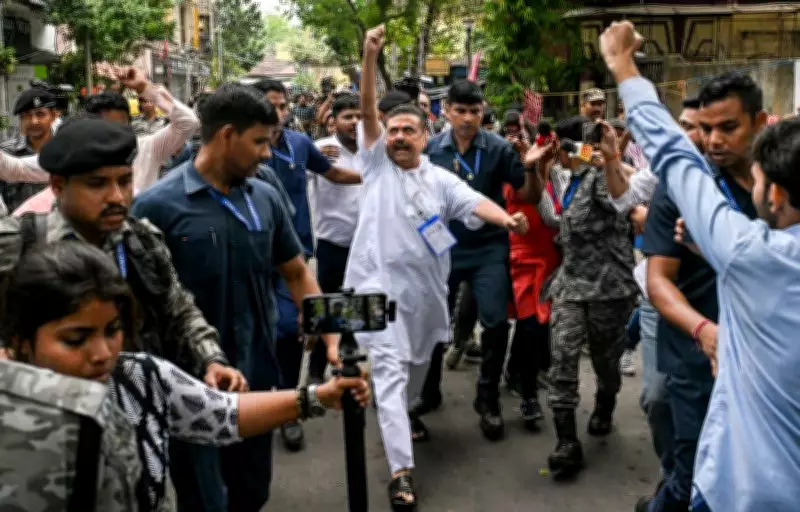
The Bharatiya Janata Party (BJP) has been executing a well-crafted game plan to consolidate its political dominance across India. In response, opposition parties find themselves at a crossroads, needing to close ranks and present a united front to counter the BJP's electoral machinery. This editorial examines the strategies employed by the BJP and the imperative for opposition unity.
Understanding the BJP's Strategy
The BJP's approach combines organizational strength, ideological mobilization, and tactical alliances. The party leverages its extensive grassroots network, led by the Rashtriya Swayamsevak Sangh (RSS), to penetrate deep into rural and urban areas. Additionally, the BJP employs a narrative centered on nationalism, development, and cultural identity, which resonates with a significant section of the electorate. The party also strategically uses coalition politics, often absorbing smaller regional parties or aligning with them to expand its footprint.
Electoral Tactics and Outreach
In recent elections, the BJP has demonstrated a keen ability to micro-manage campaigns, utilizing data analytics and social media to target specific voter groups. The party's focus on welfare schemes, such as the provision of free rations and housing, has helped build a loyal voter base. Moreover, the BJP's emphasis on issues like the abrogation of Article 370 and the construction of the Ram Temple in Ayodhya has solidified its support among Hindu nationalist voters.

The Need for Opposition Unity
Fragmented opposition parties have struggled to counter the BJP's unified messaging and organizational might. To mount a credible challenge, opposition parties must set aside ideological differences and form broad-based alliances. This requires a willingness to accommodate regional aspirations while presenting a cohesive national alternative.
Challenges and Opportunities
The opposition faces several hurdles, including leadership conflicts, divergent policy priorities, and the challenge of matching the BJP's financial and media resources. However, opportunities exist in the form of public discontent over issues like unemployment, inflation, and agrarian distress. By focusing on these bread-and-butter issues, the opposition can build a narrative that appeals to a wider electorate.
Conclusion
The BJP's game plan is formidable, but not invincible. A united opposition, capable of articulating a clear vision and working collaboratively, can challenge the ruling party's dominance. The upcoming elections will test whether opposition parties can overcome their differences and present a credible alternative to the BJP's brand of politics.






