BJP Leader Dilip Ghosh Acknowledges Genuine Voter Deletions During Electoral Roll Revision
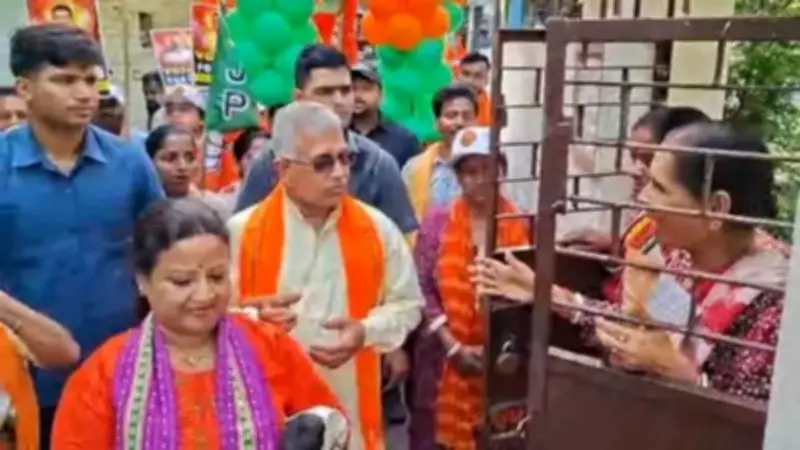
In a significant development during the ongoing election campaign, Bharatiya Janata Party candidate Dilip Ghosh has publicly admitted that names of legitimate voters were indeed deleted from the electoral rolls during the recent Special Intensive Revision process. This admission came after Ghosh encountered a group of women voters while campaigning in the Kharagpur Sadar constituency, who directly questioned him about the removal of their names from the voter lists.
Direct Confrontation on Campaign Trail Sparks Admission
The BJP leader's comments emerged following a direct confrontation with concerned citizens who approached him with their voter identity issues. "Some genuine voters were indeed deleted and those people can approach the tribunal," stated Ghosh, who is contesting from Kharagpur Sadar. He went further to assign responsibility for these errors, claiming that "BLOs trained by Trinamool were responsible for the errors."
This acknowledgment comes at a particularly sensitive time when the BJP has been aggressively promoting the narrative that those removed from voter rolls following the Special Intensive Revision were primarily infiltrators. Ghosh's statement represents a notable departure from this unified party line, introducing nuance to what has been presented as a clear-cut issue.

Multiple BJP Leaders Echo Similar Concerns
Dilip Ghosh is not the only BJP representative to have faced such questions from the electorate. West Bengal BJP chief Samik Bhattacharya, when queried about deleted voters on the same day, offered a similar assessment. "There are some genuine voters whose names were deleted. We feel sorry for them," Bhattacharya stated, echoing Ghosh's admission while maintaining the party's critical stance toward the opposition.
Bhattacharya also pointed fingers at the Trinamool Congress, asserting that the problematic deletions "started with Trinamool's conspiracy to derail the SIR process." He further elaborated on the electoral atmosphere, noting that people from Bengal were returning to the state in substantial numbers specifically to cast their votes. According to Bhattacharya, these returning voters have been motivated by the narrative that Bengali-speakers in other states have been targeted, and they wish to register their protest through the ballot box.
Broader Political Context and Implications
The voter deletion issue has become a central point of contention in the current electoral landscape. Union Minister Dharmendra Pradhan framed the situation in stark terms, presenting the choice before the state as "between Bengalis and infiltrators." This binary framing contrasts with the more nuanced admissions from Ghosh and Bhattacharya regarding genuine voters being affected by the electoral roll revisions.
The Special Intensive Revision of voter rolls has emerged as a politically charged process with significant implications for electoral outcomes. The BJP's dual narrative—maintaining the infiltrator theory while acknowledging genuine voter deletions—reflects the complex reality on the ground and the party's attempt to navigate competing political imperatives.
As the election campaign intensifies, the issue of voter list integrity continues to dominate political discourse, with all parties positioning themselves to either capitalize on or mitigate the fallout from these electoral roll controversies. The admissions from senior BJP leaders suggest that the reality of voter deletions is more complicated than initial political narratives might have suggested, potentially affecting voter confidence and participation in the upcoming electoral process.