

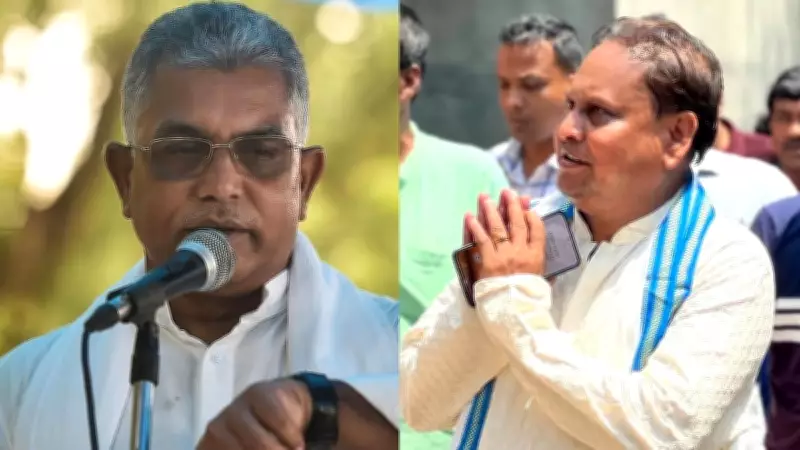
BJP Leader Dilip Ghosh Rejects Proposal for Mosque Named After Babar
In a significant political statement, Bharatiya Janata Party (BJP) leader Dilip Ghosh has firmly opposed the construction of a mosque named after Mughal emperor Babar, asserting that Indian society will not accept such a move. Ghosh made these remarks during an interview with the Asian News International (ANI), where he addressed comments by Humayun Kabir and broader discussions about religious structures in India.
Contrast with Ram Temple Construction
Ghosh emphasized the distinct nature of the recently built Ram Temple in Ayodhya, highlighting that it was constructed through voluntary contributions from people across India and abroad. He noted that donations for the temple exceeded the required amount, reflecting widespread public support and participation. This, he argued, stands in contrast to proposals for a mosque named after Babar, which he views as lacking similar societal endorsement.
Permissibility of Mosque Building vs. Naming Issue
While acknowledging that building a mosque is permissible under Indian law and traditions, Ghosh drew a clear line at naming it after Babar. He stated, "No mosque will be built in the name of Babar, society will not accept this", suggesting that such a name could be divisive or historically contentious. His comments reflect ongoing debates in Indian politics about historical figures and their legacy in contemporary religious contexts.

Political and Social Implications
This statement from Ghosh, a prominent BJP figure from West Bengal, underscores the party's stance on issues intertwining history, religion, and national identity. It comes amid broader political discussions where:
- Religious structures often become focal points for political rhetoric.
- Historical narratives are invoked in modern policy debates.
- Societal acceptance is cited as a key factor in decision-making.
Ghosh's remarks are likely to fuel further dialogue on how India balances its diverse heritage with current communal harmony efforts.
Context and Reactions
The interview, published on February 13, 2026, has sparked reactions across political spectrums. Ghosh's reference to Humayun Kabir indicates this is part of a larger conversation, possibly involving other leaders or community figures. As India navigates complex socio-political landscapes, statements like these highlight the delicate interplay between religious freedom, historical memory, and public sentiment in shaping national discourse.






