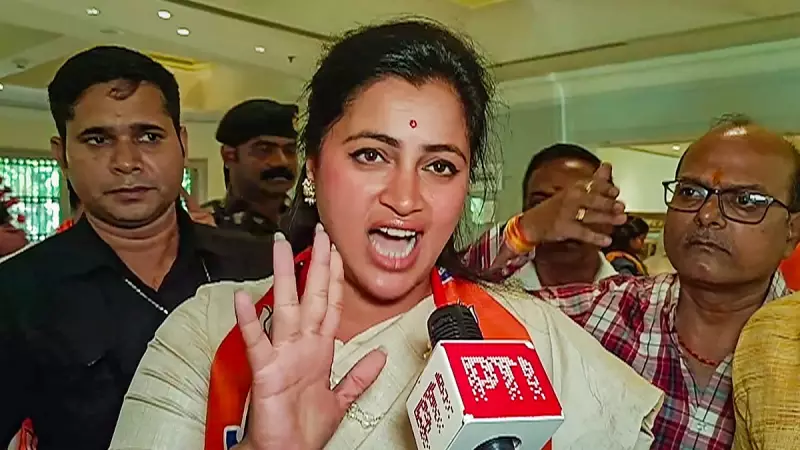
Bharatiya Janata Party (BJP) leader and former Independent MP Navneet Rana has sparked a significant debate with a call for Hindu families to increase their birth rate. She suggested that Hindus should aim to have three to four children as a measure to "protect Hindustan." Her comments were made on 23 December 2025 and have since drawn widespread attention and discussion across political and social circles.
The Core of Rana's Demographic Argument
While addressing a public gathering, Navneet Rana framed her appeal within a context of perceived demographic shifts. She pointedly referenced other communities, stating, "These people openly say they have four wives and 19 children." In contrast to this, she proposed a strategic response. "I suggest we should give birth to at least three to four children," the Amravati MP asserted. Her statement directly links family planning decisions with national identity and security, introducing a contentious layer to population discourse in India.
Political Context and Immediate Reactions
The remarks from the BJP figure immediately ignited reactions from opposition parties and social commentators. Critics have accused Rana of promoting communal polarization and reducing the complex issue of population dynamics to a religious numbers game. Supporters, however, have interpreted her comments as highlighting genuine concerns about demographic balance and cultural preservation. The incident underscores the sensitive and often volatile nature of population rhetoric in Indian politics, where statements about family size can quickly escalate into major political controversies.

Broader Implications and Ongoing Debate
Rana's call for a higher Hindu birth rate touches upon several ongoing national conversations:
- Demographic Policy: It shifts focus from universal health and economic-based family planning to identity-centric appeals.
- Political Narrative: The statement aligns with a broader narrative employed by some sections within the political spectrum, framing population growth as a matter of community strength.
- Social Harmony: Analysts warn that such rhetoric risks deepening societal divisions by presenting population trends as a competitive struggle between communities.
As the news spread via PTI and other agencies, the conversation expanded beyond the initial statement. The debate now encompasses topics of women's agency, sustainable development goals, and the constitutional framework that governs secular policy-making in India. The lasting impact of Rana's comments will likely be measured by how they influence political campaigning and public discourse in the coming months.