

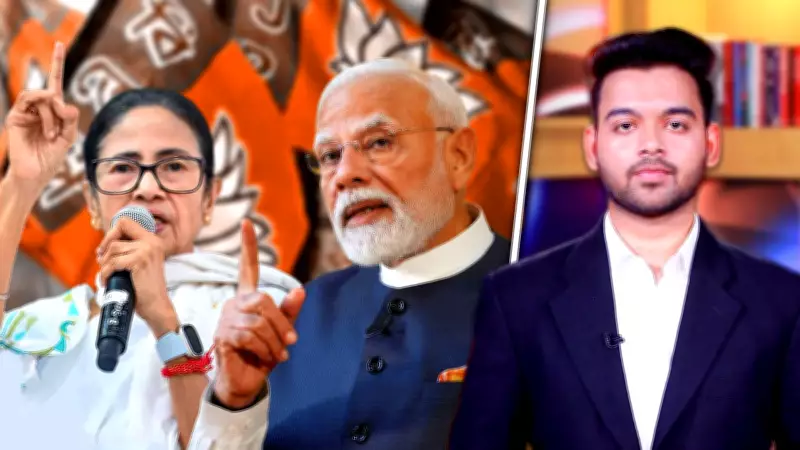
BJP's West Bengal Challenge: Key Constituencies, Demographics, and Electoral Dynamics
West Bengal continues to stand as the Bharatiya Janata Party's (BJP) "final frontier" within India's intricate political landscape. The state is witnessing an intensely high-stakes electoral contest between the BJP and Mamata Banerjee's Trinamool Congress (TMC), with the 2026 elections poised to be a decisive battle.
Competitive Battlegrounds and Marginal Seats
The electoral fight is particularly fierce in both North and South Bengal, where several constituencies have emerged as critical battlegrounds. Marginal seats such as Dinhata, Ghatal, Kulti, and Balarampur are under close scrutiny, as even minor vote swings in these areas could determine the overall outcome. These constituencies represent the frontline of the political struggle, where every vote carries significant weight.
Impact of Electoral Roll Revisions
A crucial factor influencing the election dynamics is the Special Intensive Revision (SIR) of electoral rolls, which has led to deletions in 35 key constituencies. This revision process has potentially altered the voter composition in these areas, adding another layer of complexity to an already volatile electoral environment. The ramifications of these deletions are being carefully analyzed by both political parties.

Demographic Influences on Voting Patterns
Demographic considerations play a pivotal role in shaping West Bengal's political outcomes. Two communities, in particular, are receiving substantial attention:
- Muslim Populations: With a significant Muslim demographic in various constituencies, their voting preferences could substantially influence results in multiple regions.
- Matua Community: As an influential Scheduled Caste group with considerable political clout, the Matua community's support is being actively courted by both major parties.
Internal BJP Challenges and Leadership Dynamics
The BJP faces several internal hurdles as it attempts to conquer this political frontier. Leadership dynamics within the state unit remain a subject of discussion, with questions about coordination and strategy implementation. Additionally, the unresolved question of who would serve as Chief Minister if the BJP secures victory adds further complexity to their campaign efforts.
West Bengal as BJP's Most Difficult Political Frontier
The combination of these factors—competitive constituencies, demographic complexities, electoral roll changes, and internal party challenges—solidifies West Bengal's status as the BJP's most formidable political challenge. The party's ability to navigate these multifaceted dynamics will likely determine its success in what many consider its final frontier in Indian politics.
As the 2026 elections approach, political observers are closely monitoring how these elements interact and which party can effectively leverage them to secure victory in this crucial eastern state.






