India and Indonesia Bolster Defence Ties with BrahMos Deal
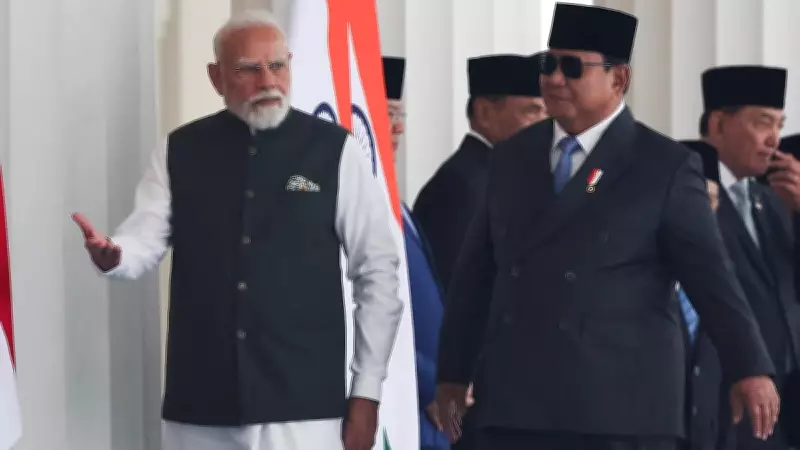
India and Indonesia signed a series of crucial defence and strategic agreements on July 7, 2026, with the BrahMos supersonic cruise missile system set to become a key component of the Indonesian military's arsenal. The pacts were announced during Indonesian President Joko Widodo's visit to New Delhi, marking a significant upgrade in bilateral security cooperation.
Prime Minister Narendra Modi was conferred with Indonesia's highest civilian award, the 'Bintang Adipurna of the Republic of Indonesia', in recognition of his leadership in strengthening ties between the two nations. The award underscores the deep strategic partnership that has evolved over recent years.
Details of the Defence Agreements
The agreements include the procurement of BrahMos missiles by Indonesia, making it the second foreign customer after the Philippines to acquire the advanced weapon system. The deal is valued at approximately $450 million and includes technology transfer and training components. The BrahMos, jointly developed by India and Russia, is capable of being launched from ships, submarines, aircraft, and land-based platforms, offering versatility for Indonesia's archipelagic defence needs.

According to the Indian Ministry of Defence, the pact also covers joint development of maritime domain awareness systems and intelligence sharing in the Indo-Pacific region. The two countries agreed to enhance cooperation in counter-terrorism, cybersecurity, and naval exercises, with the next edition of the bilateral exercise 'Samudra Shakti' scheduled for later this year.
Strategic Significance for the Indo-Pacific
The defence deals come amid growing Chinese assertiveness in the South China Sea and the broader Indo-Pacific. Both India and Indonesia share concerns about freedom of navigation and adherence to international law. The agreements are expected to bolster Indonesia's maritime capabilities and deepen India's engagement with ASEAN countries.
PM Modi stated, "The signing of these agreements reflects our shared commitment to peace, stability, and prosperity in the Indo-Pacific region. Indonesia is a vital partner in our Act East policy and our vision for a free and open Indo-Pacific." President Widodo echoed the sentiment, saying, "This partnership is a milestone for Indonesia's defence modernization and our strategic autonomy."
Other Strategic Pacts Signed
Beyond defence, the two nations signed memorandums of understanding in areas such as digital infrastructure, renewable energy, health cooperation, and cultural exchanges. A joint statement highlighted plans to increase bilateral trade to $50 billion by 2030, up from the current $30 billion. The leaders also discussed cooperation in the production of electric vehicle batteries, leveraging Indonesia's nickel reserves and India's manufacturing expertise.
The agreements include a pact on mutual recognition of educational qualifications, which will facilitate student mobility and academic collaboration. Additionally, a visa-free travel arrangement for diplomatic and official passport holders was formalized.
Impact on Regional Dynamics
Analysts view the BrahMos deal as a game-changer for Indonesia's defence posture. The missile system's speed and precision are expected to provide a credible deterrent against potential threats. The partnership also signals India's growing role as a defence exporter and a key security provider in the region.
According to defence expert Dr. Rajeswari Pillai Rajagopalan, "The BrahMos export to Indonesia is not just a commercial transaction but a strategic statement. It demonstrates India's ability to offer high-end military technology to trusted partners, enhancing interoperability between the two navies and air forces."
With the implementation of these agreements, India and Indonesia are poised to elevate their relationship to a comprehensive strategic partnership, setting the stage for deeper cooperation in the years ahead.