

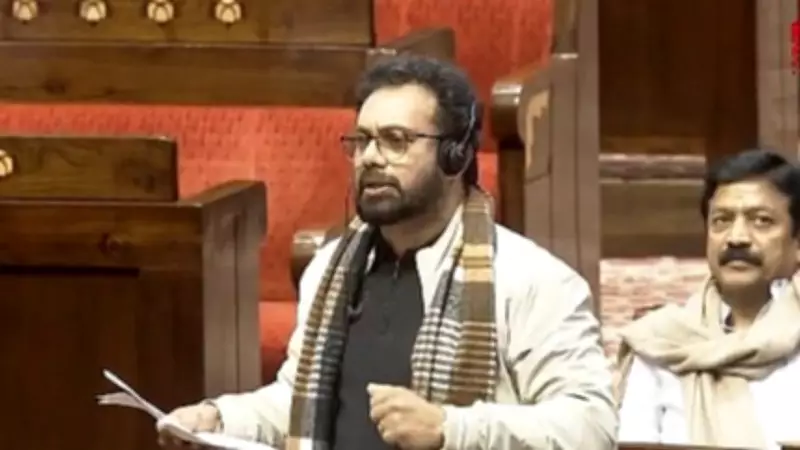
CPI(M) MP John Brittas Advocates for Parliamentary Resolution on Iran Conflict
In a significant move, CPI(M) Member of Parliament John Brittas has urged the Indian Parliament to pass a formal resolution addressing the ongoing conflict in Iran. This call comes amid escalating tensions in the region, with Brittas emphasizing the importance of a unified national stance on international affairs.
Recalling Historical Precedent: Vajpayee-Era Iraq War Motion
Brittas drew a parallel to a historical moment in Indian parliamentary history, specifically referencing the motion passed during the tenure of former Prime Minister Atal Bihari Vajpayee concerning the Iraq war. He highlighted how that earlier resolution demonstrated India's commitment to peace and diplomacy on the global stage, setting a precedent for parliamentary involvement in foreign policy matters.
Brittas stated that the Prime Minister has called for a unanimous and united voice from Parliament, underscoring the need for bipartisan support in such critical issues. He argued that a parliamentary resolution would not only reflect India's position but also strengthen its diplomatic leverage in international forums.

Emphasizing Unity and National Consensus
The MP stressed that in times of global conflict, it is imperative for India to present a cohesive front. He pointed out that a resolution from Parliament could serve as a powerful tool to convey India's stance on peace, stability, and non-interference, aligning with the country's long-standing foreign policy principles.
"A united parliamentary voice is crucial in shaping India's response to international crises," Brittas remarked, adding that such actions reinforce democratic values and enhance the nation's credibility abroad.
Context and Implications
The call for a resolution comes as the Iran conflict continues to draw global attention, with implications for regional security and international relations. Brittas's appeal highlights the role of Parliament in foreign policy debates, advocating for greater legislative oversight and engagement in matters of war and peace.
This development is part of broader discussions in Indian politics about how to navigate complex geopolitical challenges, with lawmakers from various parties weighing in on the best approach to uphold national interests while promoting global harmony.






