

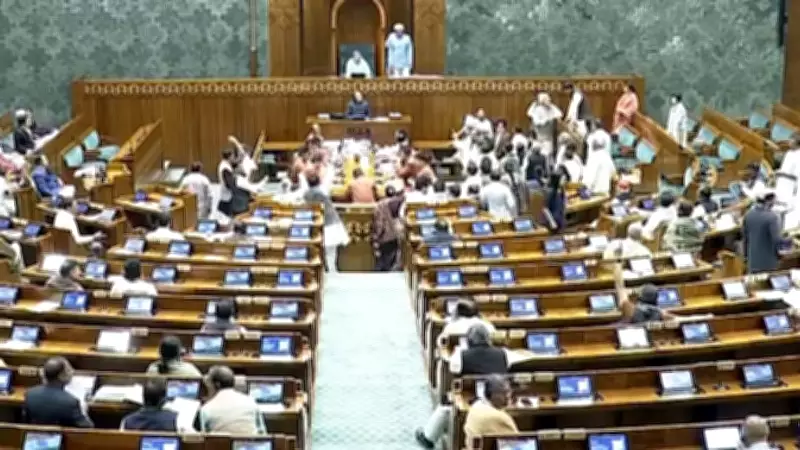
First Phase of Parliament's Budget Session Concludes Amid Opposition Protests
The opening segment of India's crucial Budget Session in Parliament has officially drawn to a close, marking the end of a period filled with legislative discussions and significant political drama. The Lok Sabha, which is the lower house of Parliament, will now enter a scheduled three-week recess before members reconvene for the second phase on March 9, 2026. This break provides lawmakers with an opportunity to review budgetary proposals and engage with constituents ahead of the session's resumption.
Opposition Creates Uproar Over Puri's Alleged Epstein Files Connection
As soon as the House convened for its final proceedings, the session was immediately disrupted by opposition members who created a substantial commotion. Legislators from various opposition parties rushed to the well of the House, brandishing placards and raising slogans to demand the immediate resignation of Union Minister Hardeep Singh Puri. The protests were triggered by allegations that Puri's name had appeared in the recently released 'Epstein files' from the United States.
These controversial documents, associated with the late financier Jeffrey Epstein, have generated international attention and scrutiny. The opposition's dramatic demonstration highlighted growing political tensions and underscored the session's contentious atmosphere. Parliamentary proceedings were temporarily affected as security personnel worked to maintain order while the Speaker attempted to restore decorum in the chamber.

Detailed Timeline and Implications of the Parliamentary Recess
The three-week intermission between parliamentary sessions is a standard procedural break designed to allow for thorough examination of the budget and other legislative matters. During this period, members of Parliament are expected to:
- Analyze budgetary allocations and proposed expenditures across various sectors
- Consult with experts and stakeholders regarding key policy initiatives
- Prepare questions and discussions for the upcoming second phase of the session
- Address constituency concerns and gather public feedback on governance issues
This recess occurs at a critical juncture, with the government's economic policies and diplomatic relations, particularly concerning Indo-US trade and international collaborations, under intense parliamentary scrutiny. The allegations against Minister Puri have added an unexpected layer of complexity to the political landscape, potentially influencing future legislative debates and cross-party negotiations.
Broader Political Context and Anticipated Developments
The conclusion of this parliamentary phase comes amid heightened political activity across the Indian political spectrum. The opposition's coordinated protest reflects strategic positioning on transparency and accountability issues, while the government maintains its legislative agenda focus. Political analysts suggest that the Epstein files controversy could have significant ramifications for both domestic politics and India's international diplomatic engagements.
As Parliament prepares for its March reconvening, all eyes will be on how these unfolding developments shape parliamentary discourse, budget approvals, and broader governance priorities. The session's second phase is expected to address remaining budgetary components, pending legislation, and potentially further discussions on the allegations that disrupted the initial proceedings.






