

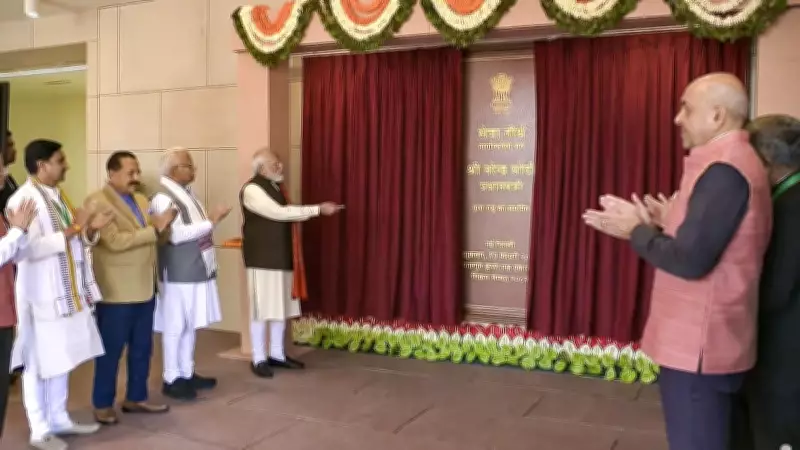
Union Cabinet Passes Resolution Celebrating PMO's Move to Seva Teerth
The Union Cabinet has formally adopted a resolution to commemorate the historic shifting of the Prime Minister's Office (PMO) to the newly designated Seva Teerth complex. This administrative transition represents a pivotal moment in the evolution of India's governance framework, underscoring a commitment to modernized and efficient public service delivery.
A Landmark Decision for Administrative Efficiency
The resolution, passed during a recent cabinet meeting, highlights the strategic importance of relocating the PMO to Seva Teerth. This move is seen as a step towards consolidating key governmental functions in a state-of-the-art facility designed to enhance operational synergy and responsiveness. The cabinet members unanimously praised the initiative, noting its potential to streamline decision-making processes and foster a more integrated approach to national policy implementation.
Seva Teerth: A Symbol of Progressive Governance
Seva Teerth, the new headquarters for the PMO, is envisioned as a hub of administrative excellence and technological advancement. The complex is equipped with cutting-edge infrastructure to support the dynamic needs of the Prime Minister's Office, facilitating smoother coordination across various ministries and departments. This relocation aligns with broader governmental efforts to modernize public institutions and improve accessibility for citizens and officials alike.

- Recognition of the PMO's enhanced operational capabilities post-relocation.
- Emphasis on the symbolic value of Seva Teerth as a center for dedicated public service.
- Commitment to leveraging the new setup for accelerated policy execution and governance reforms.
Implications for National Governance and Public Service
The cabinet's resolution underscores the anticipated benefits of this administrative shift, including improved inter-departmental collaboration and a more agile response to emerging national challenges. By centralizing critical functions at Seva Teerth, the government aims to bolster transparency, accountability, and efficiency in its operations. This move is expected to set a precedent for future administrative reorganizations, reinforcing India's trajectory towards innovative and people-centric governance.
In summary, the Union Cabinet's resolution not only celebrates the physical relocation of the PMO but also reaffirms the government's dedication to fostering an environment conducive to effective leadership and public service excellence. This development marks a significant chapter in India's administrative history, with Seva Teerth poised to become a cornerstone of the nation's governance architecture.






