

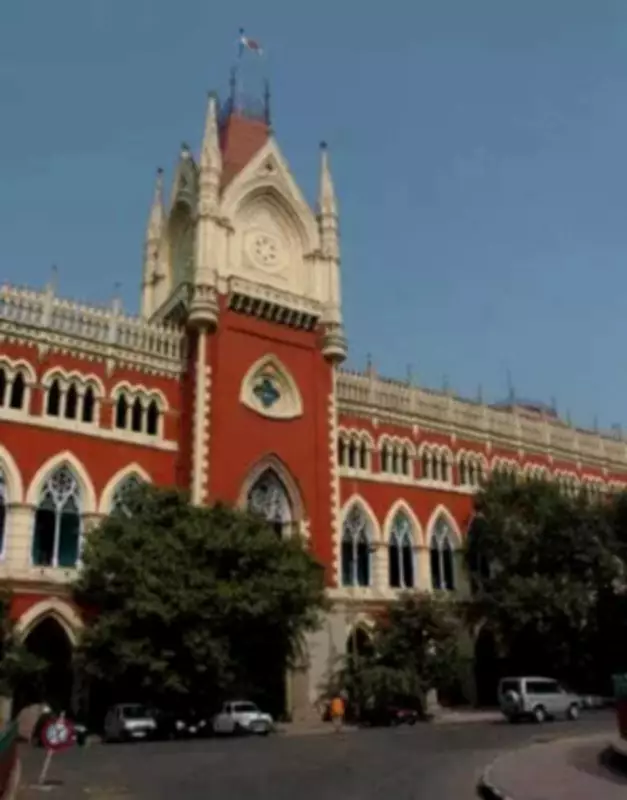
Calcutta High Court Debates Election Commission's Authority to Transfer Officers
The Calcutta High Court witnessed a significant legal debate on Wednesday as the Election Commission's counsel asserted its power to transfer state or central officers to conduct "free and fair" elections. This argument was presented during a hearing on a Public Interest Litigation (PIL) filed by Calcutta High Court lawyer Arka Kumar Nag, which questions the EC's authority to transfer 73 state officers ahead of the Bengal assembly elections without prior discussion with the state government.
Arguments from Both Sides on Transfer Powers
Senior advocate Dama Seshadri Naidu, representing the Election Commission, cited relevant case laws to support the commission's jurisdiction in conducting elections, whether for the Lok Sabha or state assemblies. He emphasized that from the declaration of election dates to the announcement of results, the EC wields substantial powers, including the coordination of government departments to maintain law and order. Naidu argued that these powers are essential to ensure the integrity of the electoral process.
In contrast, senior advocate Kalyan Banerjee, representing the petitioner, raised critical concerns about the practical implications of such transfers. He questioned how the state would function for an entire month without its officers, highlighting that all development work could come to a halt. Banerjee challenged whether this action by the Election Commission of India (ECI) could be considered fair, given its potential impact on state administration.

Background and Legal Proceedings
The PIL stems from the EC's decision to transfer the officers without consulting the state government, a move that has sparked controversy over the balance between electoral integrity and administrative continuity. The hearing took place before a division bench comprising Chief Justice Sujoy Paul and Justice Partha Sarathi Sen, marking the second day of arguments on this contentious issue.
Both sides presented their cases vigorously, with the EC defending its actions as necessary for upholding democratic principles, while the petitioner argued for greater consideration of state governance needs. The matter has been scheduled for further hearing on March 27, indicating the complexity and importance of the legal questions involved.
Implications for Future Elections
This case highlights a broader debate on the Election Commission's role in ensuring free and fair elections versus the operational requirements of state governments. The outcome could set a precedent for how similar situations are handled in future elections across India, affecting both electoral procedures and administrative frameworks.
As the legal battle continues, stakeholders are closely watching the Calcutta High Court's decision, which may clarify the limits of the EC's powers and its responsibilities towards state functionality during election periods.






