Candace Owens Slams Coordinated Trump Defense as AI Jesus Image Sparks Outrage
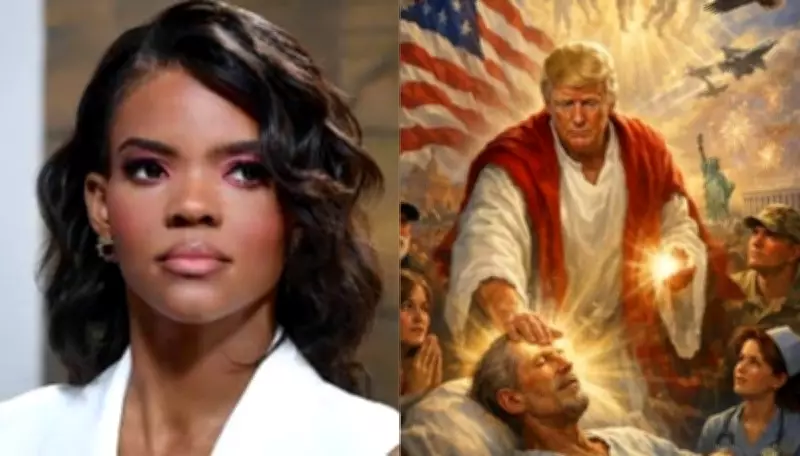
Candace Owens has ignited a fierce online debate by calling out what she termed "political prostitution" after two prominent pro-Trump voices shared nearly identical messages defending former President Donald Trump. This controversy erupted amid a broader backlash over Trump's posting of an AI-generated image depicting him in a Jesus-like role, which has angered even some of his staunchest supporters.
Identical Posts from Graham Allen and David J Harris Jr Draw Scrutiny
The issue began when social media users noticed strikingly similar posts from Graham Allen and David J Harris Jr, both defending Trump after he shared and later deleted a controversial AI image. The posts appeared almost copy-pasted, raising questions about coordination.
Graham Allen wrote: "I don’t believe the president intended to depict himself as Jesus when he posted it. He is a believer after all. I do appreciate that he deleted it, something President Trump has rarely done. Discernment is learned, not always automatic."

David J Harris Jr posted: "Personally, I don’t believe the president intended to depict himself as Jesus when he posted it. He is a believer after all. I do appreciate that he deleted it, since it’s something President Trump has rarely done. Discernment is learned, not always automatic. Keep praying for President Trump."
When a user questioned why these posts were nearly identical, Candace Owens responded sharply, stating, "It’s called political prostitution. Their ideas are whatever the highest bidder wants their ideas to be." Her comment quickly went viral, fueling discussions about whether these defenses were orchestrated.
Backlash Over Trump's AI Jesus Image and Pope Comments
The core of the controversy stems from Trump's own actions. He shared an AI-generated image showing him wearing robes and healing a sick person, reminiscent of religious depictions of Jesus, complete with a glowing hand and surrounding figures. This post followed strong criticism from Trump aimed at Pope Leo XIV on Truth Social, where he expressed disapproval of the Pope's views on foreign policy and crime.
Trump said: "I don’t want a Pope who thinks it’s OK for Iran to have a Nuclear Weapon. I don’t want a Pope who thinks it’s terrible that America attacked Venezuela..."
The timing exacerbated the situation, with many Christians and conservative voices condemning the image as crossing a line. Reactions included statements like "God shall not be mocked," highlighting anger from typically supportive quarters. Despite Trump deleting the image, the fallout continued, blending the AI post, Pope remarks, and repeated defense messages into a larger scandal.
Analysis of the Growing Online Firestorm
This incident underscores the volatile nature of online political discourse, where coordinated messaging can backfire. Key points include:
- The role of AI in political imagery and its potential to offend religious sensibilities.
- The impact of identical defense posts on public perception and trust.
- How backlash from core supporters can signal deeper divisions within political movements.
As debates rage on, this episode highlights the challenges of navigating digital communication in modern politics, where every post can spark widespread controversy.