CBI Appeals Discharge of Kejriwal and Sisodia in Delhi Excise Policy Case
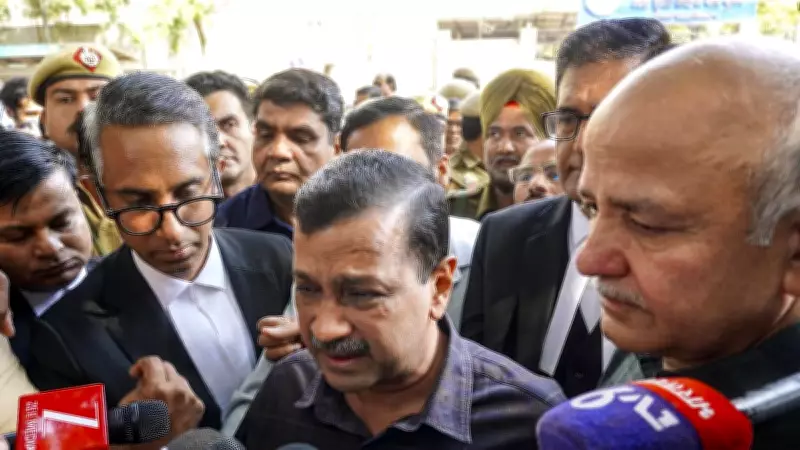
The Central Bureau of Investigation (CBI) has formally challenged the discharge of Delhi Chief Minister Arvind Kejriwal and former Deputy Chief Minister Manish Sisodia in the high-profile excise policy case. This legal move comes after a trial court in Delhi granted them relief, sparking significant controversy and scrutiny over the investigation process.
Court Criticizes CBI for Investigation Lapses
Special Judge Jitendra Singh, presiding over the case, not only approved the discharge but also reprimanded the CBI for what he described as serious lapses in the investigation. The judge highlighted procedural errors and insufficient evidence gathering, which raised questions about the agency's handling of the case from its inception.
This criticism underscores ongoing debates about the effectiveness and impartiality of investigative bodies in politically sensitive matters. The CBI's appeal aims to overturn the discharge order, arguing that the case merits further judicial review based on alleged irregularities in the excise policy implementation.

Background of the Excise Policy Case
The excise policy case revolves around allegations of corruption and favoritism in the formulation and execution of Delhi's liquor sales policy. Arvind Kejriwal and Manish Sisodia, both key figures in the Aam Aadmi Party (AAP), have been at the center of this legal battle, with the CBI accusing them of involvement in financial misconduct and policy manipulation.
Despite the discharge, the CBI's persistence in appealing the decision indicates the agency's determination to pursue the matter, reflecting the broader political tensions between central investigative authorities and state-level leaders. The case has drawn national attention, with implications for Indian politics and governance.
Implications for Indian Politics and Legal System
This development adds another layer to the complex landscape of Indian politics, where legal challenges often intersect with partisan rivalries. The discharge and subsequent appeal highlight the ongoing struggle between law enforcement agencies and political entities, raising concerns about judicial independence and accountability.
As the case progresses, it will likely influence public perception and policy discussions around excise regulations and anti-corruption measures in India. Stakeholders from various sectors are closely monitoring the proceedings, anticipating potential outcomes that could reshape political dynamics in Delhi and beyond.