

CEC Affirms Government Prerogative for Pre-Poll Code Policy Actions
Chief Election Commissioner Gyanesh Kumar emphasized on Sunday that both central and state governments possess the discretion to enact policy measures prior to the implementation of the Model Code of Conduct. This statement was made in response to inquiries regarding the West Bengal government's recent announcements concerning dearness allowance arrears and honorarium increases for clergy members.
Timing of West Bengal's Announcements
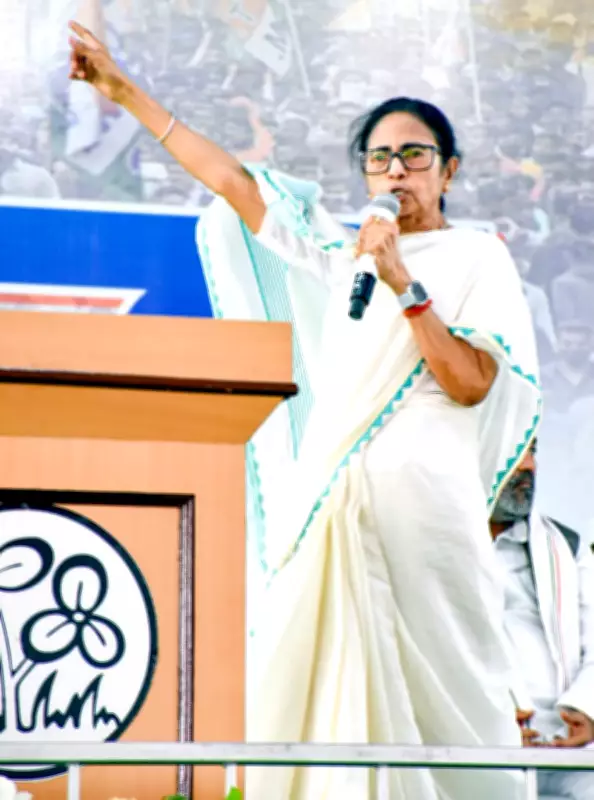
West Bengal Chief Minister Mamata Banerjee utilized social media platform X to declare a hike in honorarium for Hindu purohits and Muslim muezzins at 2:40 PM, approximately 80 minutes before the Election Commission's scheduled press conference. Subsequently, at 3:05 PM, she announced the clearance of DA arrears for state employees, which occurred 55 minutes ahead of the EC event. The poll body officially commenced the Model Code of Conduct at around 4 PM during the press conference where election dates were revealed.
Election Schedule for West Bengal
The Election Commission disclosed that Assembly elections for all 294 seats in West Bengal will be conducted in two distinct phases. Voting is slated for April 23 and April 29, with the counting of votes scheduled to take place on May 4. This announcement marks the formal start of electoral proceedings in the state, alongside polls in four other states.

Key Implications of the CEC's Remarks
CEC Kumar's clarification underscores that governmental decisions made before the Model Code of Conduct enforcement are considered legitimate and within the purview of administrative authority. The Model Code of Conduct is a set of guidelines issued by the Election Commission to ensure fair play during elections, restricting certain governmental actions once activated. By affirming this prerogative, the CEC highlighted the balance between electoral integrity and ongoing governance responsibilities.
This development has sparked discussions on the strategic timing of policy announcements in the lead-up to elections, with West Bengal's moves serving as a notable example. The clearance of DA arrears and honorarium hikes are viewed as significant measures impacting public servants and religious communities, potentially influencing voter sentiment ahead of the polls.
As the electoral process unfolds, stakeholders will closely monitor adherence to the Model Code of Conduct and its implications for campaign dynamics in West Bengal and beyond.






