

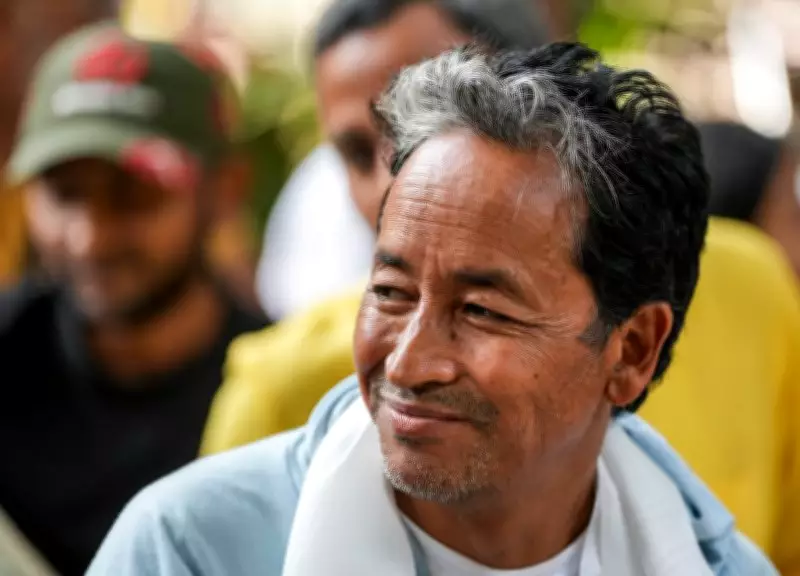
Centre Alleges Activist Sonam Wangchuk Attempted to Spark Nepal-Style Youth Unrest in Ladakh
The Indian government has made a significant submission to the Supreme Court, alleging that prominent environmental activist and educator Sonam Wangchuk attempted to instigate a wave of youth-led protests in the Union Territory of Ladakh. According to the Centre, these planned demonstrations were modeled after the recent Gen Z protests that have shaken Nepal, raising serious concerns about potential unrest and national security implications in the strategically important region.
Details of the Government's Allegations in the Supreme Court
In its formal statement presented before the apex court, the Centre outlined that Wangchuk, known for his advocacy on Ladakh's autonomy and environmental issues, was actively working to mobilize young people in the region. The government claimed that his efforts were aimed at creating a protest movement mirroring the dynamic and often volatile youth activism seen in neighboring Nepal. These Nepalese protests, driven largely by Generation Z participants, have recently challenged political establishments and called for systemic reforms, sometimes leading to widespread disruptions.
The Centre's submission emphasized that such activities in Ladakh could destabilize the region, which has been a focal point for developmental and security initiatives since its reorganization as a Union Territory in 2019. Officials expressed apprehension that instigating similar protests might exploit local grievances and escalate into larger conflicts, potentially affecting border security and internal harmony.

Context of Ladakh's Political and Social Landscape
Ladakh has witnessed ongoing discussions and some protests regarding demands for greater autonomy, protection of cultural identity, and environmental safeguards, particularly after the abrogation of Article 370. Sonam Wangchuk has been a vocal figure in these movements, advocating for the region's rights through peaceful means and educational initiatives. However, the Centre's latest allegations suggest a more confrontational approach, linking his actions to external protest models that could intensify tensions.
The reference to Nepal's Gen Z protests is particularly noteworthy, as these movements have gained international attention for their use of social media, decentralized leadership, and calls for accountability from older political generations. By drawing this parallel, the government implies that Wangchuk's efforts might introduce similar elements of youth mobilization and digital activism into Ladakh's socio-political fabric, which could pose new challenges for governance and law enforcement.
Implications for National Security and Regional Stability
The Centre's report to the Supreme Court underscores broader national security concerns, highlighting Ladakh's strategic importance due to its borders with China and Pakistan. Any form of sustained protest or civil disobedience in the region is viewed through the lens of potential vulnerabilities, especially in light of ongoing geopolitical tensions. The government's stance reflects a cautious approach to maintaining stability and preventing any external influences or internal disruptions that might compromise India's territorial integrity.
This development also raises questions about the balance between democratic expression and security imperatives in sensitive areas. While activists like Wangchuk argue for the right to protest and advocate for regional issues, the Centre's allegations point to a perceived threat from organized youth movements that could spiral beyond control. The Supreme Court's role in adjudicating these matters will be crucial in defining the limits of activism and the state's responsibility to ensure public order.
Reactions and Future Outlook
As news of the Centre's allegations spreads, reactions from civil society, political analysts, and the international community are anticipated. Supporters of Wangchuk may view the government's claims as an attempt to suppress legitimate dissent, while security experts might endorse the need for vigilance against potential unrest. The situation in Ladakh remains delicate, with ongoing dialogues between local leaders and the central government on issues of governance and development.

Moving forward, the Supreme Court's proceedings will likely delve deeper into the evidence supporting the Centre's allegations and Wangchuk's response. This case could set important precedents for how India handles activism in border regions and addresses the growing influence of youth-led movements inspired by global trends. For now, the focus remains on ensuring that Ladakh's path forward balances the aspirations of its people with the overarching needs of national security and regional peace.





