

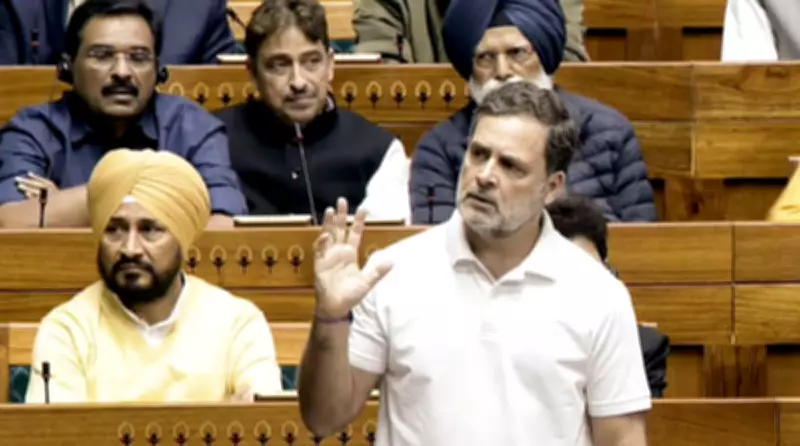
Centre Opts Against Privilege Motion, Rahul Gandhi's Lok Sabha Remarks to be Expunged
In a significant parliamentary development, the central government has officially decided against initiating a privilege motion against Congress leader Rahul Gandhi. This decision follows the controversy surrounding certain remarks made by Gandhi during a recent session of the Lok Sabha. The government has confirmed that the contentious portions of his speech will be expunged from the official parliamentary records.
Background of the Controversial Remarks
The controversy erupted when Rahul Gandhi, a prominent opposition figure, delivered a speech in the Lok Sabha that included statements deemed controversial by the ruling party. These remarks sparked immediate uproar among members of the treasury benches, leading to heated exchanges and demands for strict action. The situation escalated as calls for a privilege motion—a parliamentary procedure to address breaches of privilege or contempt—gained momentum among government allies.
Government's Decision and Rationale
After careful deliberation, the Centre has chosen not to proceed with a privilege motion against the Congress MP. Sources indicate that this decision was influenced by a desire to maintain parliamentary decorum and avoid further escalation of political tensions. Instead, the government has directed that the specific controversial remarks be expunged from the Lok Sabha records. This action ensures that the statements will not be part of the official parliamentary history, effectively nullifying their impact on future proceedings.

Expunging Process: The expungement process involves the removal of the offending remarks from the official transcripts and digital records of the Lok Sabha. This is a standard parliamentary practice used to address inappropriate or unparliamentary language, ensuring that the sanctity of the House is preserved.
Political Reactions and Implications
The decision has elicited mixed reactions from political circles. Supporters of the government argue that it reflects a mature approach to handling parliamentary disputes, prioritizing stability over confrontation. On the other hand, some opposition members view it as a tactical move, suggesting that the government may be avoiding a prolonged legal and political battle that could draw more attention to the issue.
Key Points:
- The Centre's refusal to file a privilege motion marks a departure from initial aggressive posturing.
- Expunging the remarks is seen as a compromise to address the controversy without formal disciplinary action.
- This incident highlights the ongoing tensions between the ruling party and the opposition in Parliament.
Broader Context of Parliamentary Privileges
Privilege motions are serious parliamentary tools used to protect the dignity and authority of the House. They can be invoked against members for actions that are considered breaches of privilege, such as making defamatory statements or disrupting proceedings. In this case, the government's decision to forgo such a motion underscores a strategic choice to de-escalate rather than engage in a protracted conflict.
The expungement of Rahul Gandhi's remarks serves as a reminder of the delicate balance between free speech and parliamentary norms. It also sets a precedent for how similar controversies might be handled in the future, emphasizing procedural remedies over punitive measures.
As the Lok Sabha moves forward, this episode is likely to influence the dynamics of parliamentary debates, with both sides potentially adopting more cautious approaches to avoid similar confrontations.






