

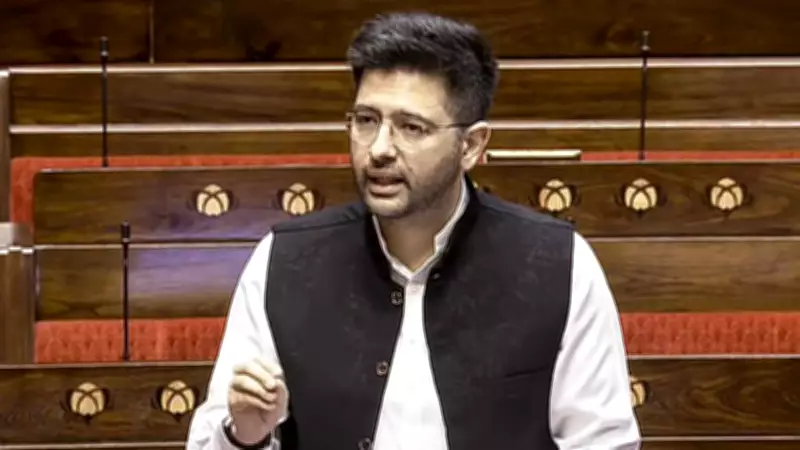
"Silenced But Not Defeated": Raghav Chadha's Fiery Response to AAP Leadership Removal
A significant political controversy has emerged within the Aam Aadmi Party following the removal of Member of Parliament Raghav Chadha from his position as the party's deputy leader in the Rajya Sabha. The development has exposed internal tensions and sparked debates about leadership decisions within AAP as the party prepares for crucial political challenges ahead.
Chadha's Defiant Video Statement
In a powerful and direct response to his removal, Raghav Chadha released a video statement that has since gone viral across political circles. The young parliamentarian declared with conviction, "I may be silenced, but I am not defeated." This bold proclamation sets the tone for what appears to be growing dissent within AAP ranks.
Chadha questioned the fundamental reasoning behind his removal from the leadership position, asking pointedly whether "speaking for citizens has become a crime" in today's political landscape. His statement suggests a deep disagreement with the party's decision-making process and raises concerns about freedom of expression within political organizations.

Allegations of Parliamentary Restrictions
The controversy deepened as Chadha made serious allegations regarding his parliamentary participation. He claimed that he had consistently raised important public issues during parliamentary sessions, fulfilling his duty as an elected representative. More significantly, Chadha alleged that the party leadership had actively urged the Rajya Sabha Secretariat to prevent him from speaking in the House.
This allegation, if substantiated, would represent a serious breach of parliamentary norms and democratic principles. It suggests an attempt to muzzle dissenting voices within the party's parliamentary representation, raising questions about internal democracy and freedom of expression within AAP.
Broader Implications for AAP
The removal of Raghav Chadha from his leadership position signals more than just an individual personnel change. It reveals underlying tensions within AAP's organizational structure and decision-making processes. As the party positions itself for upcoming political battles, this internal conflict could potentially impact its unity and strategic direction.
Political analysts are closely watching how this development will affect AAP's parliamentary performance and internal cohesion. The timing is particularly significant as the party navigates complex political landscapes at both national and state levels. The handling of dissent and leadership decisions will likely influence how AAP is perceived by both supporters and political observers.
Questions About Party Democracy
Chadha's public response has brought to the forefront important questions about internal party democracy and the space for differing viewpoints within political organizations. His statement implicitly challenges the mechanisms through which parties make leadership decisions and handle internal disagreements.
The situation raises broader questions about how political parties balance discipline with democratic expression, particularly when members hold elected positions with responsibilities to their constituents. As Chadha emphasized his commitment to raising public issues, the controversy touches on fundamental aspects of representative democracy and parliamentary responsibility.
This development within AAP serves as a case study in how political parties manage internal dissent while maintaining organizational coherence. The outcome of this conflict may set precedents for how similar situations are handled in the future, both within AAP and across the broader political spectrum.






