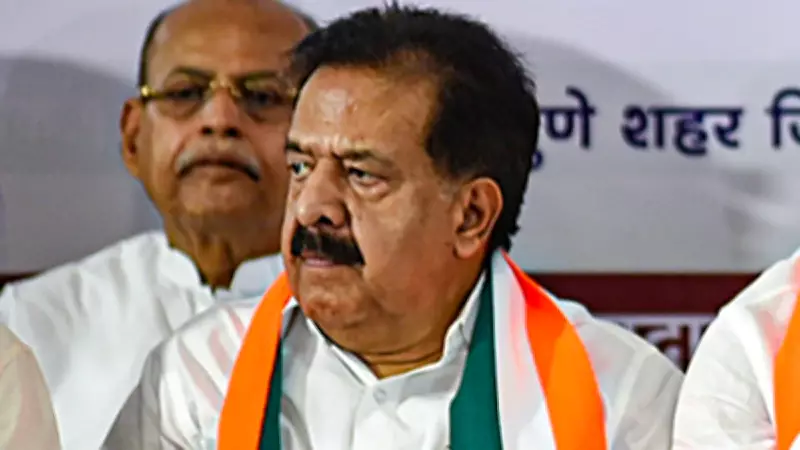
Chennithala Condemns Aiyar's Remarks, Labels Him a 'Hired Voice' in Congress
Senior Congress leader Ramesh Chennithala has launched a sharp rebuke against party colleague Mani Shankar Aiyar, asserting that 'hired voices' have no legitimate place within the Indian National Congress. This criticism follows Aiyar's recent visit to Kerala, where he made controversial statements that have ignited internal party discord.
Aiyar's Kerala Visit Sparks Political Controversy
Earlier this week, Mani Shankar Aiyar traveled to Kerala at the explicit invitation of the ruling Left Democratic Front (LDF) government. During his stay, Aiyar delivered a verbal assault against his own Congress colleagues, publicly declaring that the Pinarayi Vijayan–led LDF administration would successfully retain power in the state. These remarks, perceived as endorsing a political rival, have drawn significant backlash from within the Congress party.
Chennithala, a prominent Congress figure and former Leader of the Opposition in Kerala, responded forcefully to Aiyar's comments. He emphasized that such statements from 'hired voices' undermine party unity and discipline, suggesting that Aiyar's actions were inappropriate for a senior member of the organization. The incident highlights ongoing tensions within the Congress as it navigates complex political landscapes in Kerala and nationally.

Internal Party Dynamics Under Scrutiny
The confrontation between Chennithala and Aiyar brings to light deeper issues within the Congress party regarding member conduct and public messaging. Chennithala's critique implies that Aiyar's remarks were not merely personal opinions but potentially orchestrated to benefit external political entities, hence the label 'hired voices'. This episode raises questions about:
- The enforcement of party discipline among senior leaders
- The impact of internal conflicts on electoral strategies
- The role of individual members in shaping public perception of the party
As the Congress prepares for upcoming political challenges, managing such internal disagreements becomes crucial. The party's ability to present a united front could influence its performance in state and national elections, making this dispute a focal point for political analysts.
Broader Implications for Kerala Politics
Aiyar's endorsement of the LDF government adds a layer of complexity to Kerala's political scene. The Congress, as part of the United Democratic Front (UDF) opposition, is actively contesting the LDF's policies and governance. Aiyar's supportive comments for the ruling coalition are seen as contradictory to the party's official stance, potentially confusing voters and weakening opposition efforts.
Chennithala's strong response aims to clarify the Congress position and reaffirm its commitment to opposing the LDF. By distancing the party from Aiyar's views, he seeks to maintain political coherence and focus on critiquing the Vijayan administration. This incident may prompt the Congress to reevaluate its internal communication protocols and member engagements to prevent similar controversies in the future.
As of February 20, 2026, the situation remains unresolved, with both leaders holding firm to their positions. The Congress high command may need to intervene to address the fallout and ensure party unity moving forward.