

Chhattisgarh Chief Minister Condemns Alleged Disrespect Towards President Murmu in West Bengal
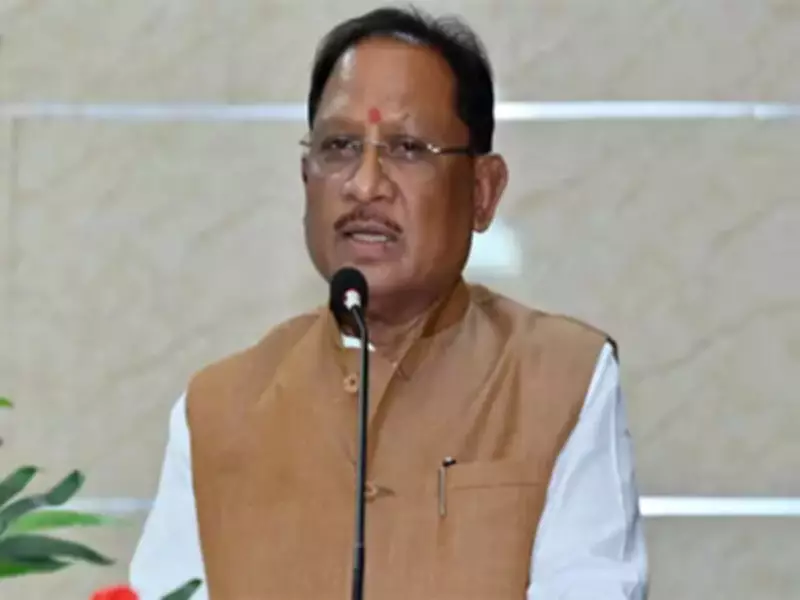
In a strongly worded letter, Chhattisgarh Chief Minister Vishnu Deo Sai has expressed his profound objection to West Bengal Chief Minister Mamata Banerjee regarding the treatment of President Droupadi Murmu during her recent visit to the state. Sai described the incident as an "insult" and a grave discourtesy that transcends personal disrespect, striking at the heart of India's constitutional dignity.
A Constitutional and Communal Affront
CM Sai emphasized that the manner in which President Murmu, the nation's first tribal woman to hold the highest office, was treated constitutes not merely an individual slight but a direct affront to multiple pillars of Indian society. He articulated that this episode disrespects the Office of the President, the tribal community, and womanhood itself, thereby undermining the foundational values of India's democratic framework.
"India's democratic culture has always been built on decorum and institutional respect," Sai wrote, stressing that political disagreements must never eclipse the basic courtesy owed to constitutional authorities. He warned that such actions set a dangerous precedent that could erode public trust in governmental institutions.

Deepening Wounds in Marginalized Communities
The Chhattisgarh leader highlighted that the incident has deeply hurt the sentiments of tribals, Dalits, backward communities, and women across the country. In his correspondence, Sai connected this event to the broader context of alleged atrocities against tribal women in Sandeshkhali, West Bengal, noting that the nation is already reeling from those reports.
He asserted that any form of disrespect or mistreatment directed towards marginalized communities is utterly unacceptable and contradicts the inclusive ethos that India strives to uphold. Sai's letter serves as a poignant reminder of the ongoing struggles for dignity and equality faced by these groups.
Call for Accountability and Apology
Urging Chief Minister Banerjee to acknowledge the lapse, Sai called for an official apology to the nation and society at large. He emphasized that respect for constitutional institutions must remain unequivocally above partisan politics, ensuring that the sanctity of the President's office is preserved regardless of political affiliations.
This development underscores the escalating tensions between state governments and highlights the critical importance of maintaining protocol and reverence for India's highest offices. As the debate unfolds, it raises essential questions about the intersection of politics, protocol, and social justice in contemporary Indian democracy.






