Chouhan Criticizes Congress for Opposing MGNREGA Reforms, Highlights Failed Agitation
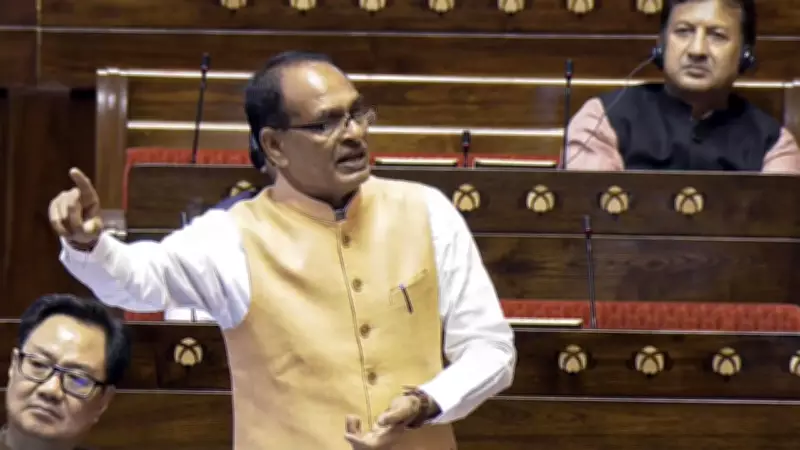
In a sharp political attack, Rural Development Minister Shivraj Singh Chouhan on Tuesday lambasted the Congress party for its staunch opposition to recent amendments in the Mahatma Gandhi National Rural Employment Guarantee Act (MGNREGA) scheme. Chouhan accused the opposition of failing to mobilize public support for their protests, citing a lack of genuine grassroots agitation.
Congress's "Maha Sangram" Fails to Materialize, Says Chouhan
Chouhan pointedly reminded Congress that despite announcing plans for a major struggle or "maha sangram" and setting multiple dates, no substantial protest ever took place. "Congress declared that it would launch a 'maha sangram' and many dates were announced, but no 'sangram' was visible," he stated, attributing this failure to public awareness that the new legislative changes are beneficial for rural development.
He argued that the protest failed to gain traction because communities recognize the improvements in the revised law, which aims to enhance efficiency and accountability in the employment guarantee program.

Minister Mocks Congress Leaders' Attire During Protest Claims
In a mocking tone, Chouhan referenced photographs of Congress leaders Mallikarjun Kharge and Rahul Gandhi, describing them as "maha mazdoors" (great laborers) who wore traditional gamcha (cotton scarves) on their heads and carried axes on their shoulders, yet were dressed in jeans. "We saw two 'maha mazdoors' wearing 'gamcha' on their heads, carrying axes on shoulders, but wearing jeans," he remarked, using the imagery to question the authenticity of their protest stance.
Chouhan Counters Claims That New Funding Pattern Will Kill MGNREGA
Addressing concerns that the revised VB-GRAMG funding model—where states are required to contribute 40% of costs—could jeopardize the scheme due to financial constraints, Chouhan dismissed these fears. He asserted that states have already made necessary budgetary provisions to support their share, ensuring the program's continuity and effectiveness.
"Chouhan took on the claim that the VB-GRAMG pattern where states are required to fund 40% would kill the scheme as states are 'cash strapped'. He said states had made necessary provisions," emphasizing that the new structure is designed to foster greater state involvement and sustainability.
This exchange underscores the ongoing political tensions over rural employment policies, with the government defending its reforms as progressive and the opposition criticizing them as detrimental to welfare schemes.