

Shivraj Chouhan Condemns West Bengal Government Over Farmer Treatment in Parliament
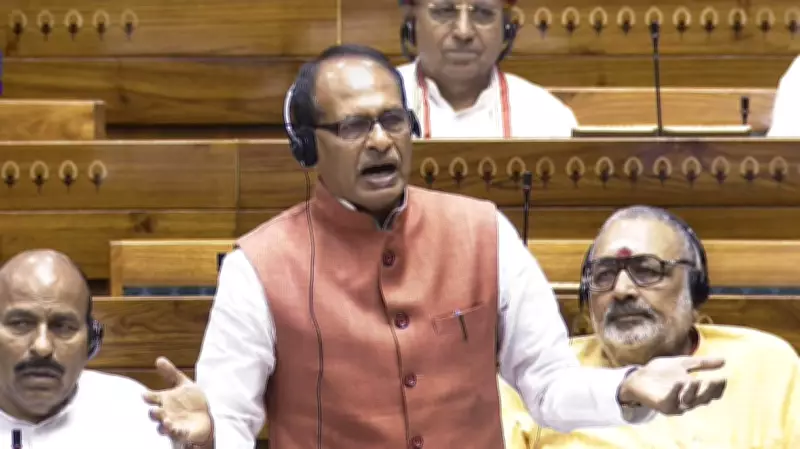
In a significant parliamentary intervention, senior Bharatiya Janata Party (BJP) leader Shivraj Singh Chouhan has launched a scathing attack on the West Bengal government, alleging severe injustice towards the state's agricultural community. Speaking during a session in the Lok Sabha, Chouhan articulated deep concerns regarding the plight of Bengal's farmers, framing it as a critical governance failure that demands immediate attention.
Political Battle Intensifies Ahead of Assembly Elections
The strong remarks from the BJP stalwart come at a time when political tensions are escalating dramatically in West Bengal. The BJP and the ruling Trinamool Congress (TMC) are engaged in an increasingly intense and heated political confrontation as the state prepares for upcoming Assembly elections. This electoral battle is shaping up to be one of the most closely watched and fiercely contested political events in the region.
Chouhan's parliamentary address highlighted specific grievances faced by the farming sector in Bengal, though detailed policy points were not fully elaborated in the initial reports. The criticism underscores a broader narrative being pushed by the BJP, which positions itself as a champion of farmer rights and agricultural welfare, in direct contrast to its portrayal of the TMC administration.

Strategic Parliamentary Maneuvering and Electoral Implications
This parliamentary critique is viewed by political analysts as a strategic move within the larger electoral framework. By raising farmer issues on the national stage in the Lok Sabha, the BJP aims to amplify its campaign message and put the West Bengal government under heightened scrutiny. The timing of these comments is particularly significant, as they feed directly into the pre-election discourse and could influence voter sentiment in rural and agricultural constituencies.
The Trinamool Congress, led by Chief Minister Mamata Banerjee, is expected to mount a robust defense against these allegations. The party has historically emphasized its pro-farmer initiatives and welfare schemes, setting the stage for a contentious debate over agricultural policies and rural development in the state.
As the political drama unfolds, the focus on farmer welfare is likely to remain a central theme in the election campaign. Both parties are anticipated to intensify their outreach to the agricultural community, promising better support, fair prices, and improved infrastructure. The outcome of this political tussle could have profound implications for West Bengal's governance and the future direction of its agrarian economy.






