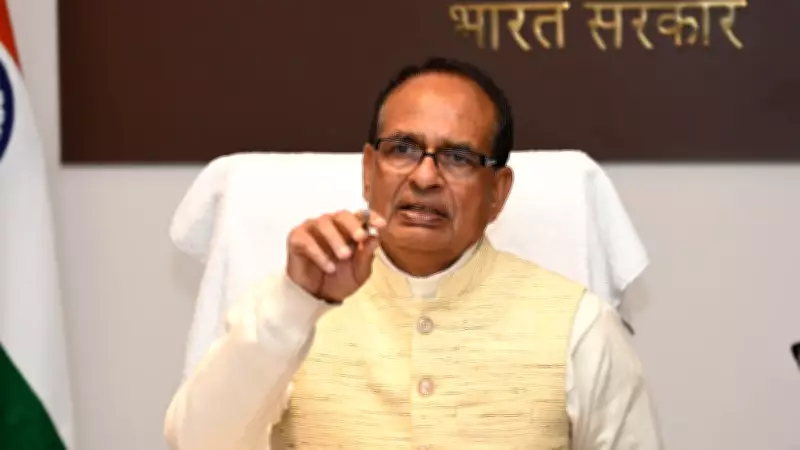
In a notable departure from standard protocol, Union Agriculture Minister Shivraj Singh Chouhan has scheduled a national consultation meeting focused on pulses for February 7. The gathering is set to take place in a village located within his parliamentary constituency of Vidisha, rather than the customary venues in the national capital.
Unusual Venue Selection for High-Level Agricultural Discussion
Typically, such significant ministerial meetings are convened at established locations like Krishi Bhawan or the Pusa Campus in Delhi. However, sources indicate that Chouhan has opted for a more grassroots approach by hosting the event in his home constituency. This move underscores a potential shift towards decentralizing important policy discussions and bringing them closer to the agricultural heartlands.
Invitations Extended to State Agriculture Ministers
Chouhan is reported to have formally written to the agriculture ministers of all states across India, extending invitations for their participation in this crucial dialogue. The primary objective of the meeting is to deliberate and formulate a comprehensive strategy for the effective rollout of the government's ambitious 'Pulses Mission'. This initiative aims to enhance production, ensure sustainability, and address nutritional security concerns related to pulses in the country.

Parallel Incident Highlights Administrative Overlaps
In a separate but equally unusual administrative occurrence, two distinct ministries provided written replies to questions concerning the same incident during a Rajya Sabha session on Monday. The queries pertained to deaths in Indore resulting from contaminated drinking water.
Dual Responses from Different Ministries
While Jal Shakti Minister C R Patil addressed a starred question on the Indore tragedy, Housing and Urban Affairs Minister of State Tokhan Sahu responded to a similar, unstarred question. Interestingly, both replies contained identical information, including verbatim descriptions of the state government's actions and responses. The starred question was ultimately not discussed during the Question Hour, leaving the duplication unaddressed in the parliamentary discourse.
This episode raises questions about inter-ministerial coordination and communication protocols, especially when handling sensitive public health matters. It highlights potential overlaps in jurisdictional responsibilities that could lead to redundant administrative efforts.
As the Budget Session progresses in Parliament and various state Assemblies, these developments underscore the dynamic and sometimes unpredictable nature of governmental operations. The focus remains on how such initiatives and responses will impact policy implementation and public accountability in the coming months.