

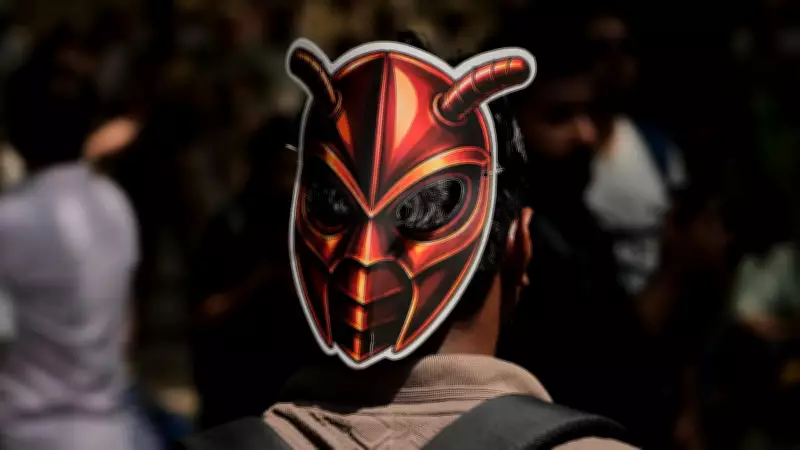
What began as a satirical online response to remarks attributed to the Chief Justice of India has evolved into a tangible political movement, spilling onto the streets of the capital on June 6. The Cockroach Janta Party (CJP), founded by Abhijeet Dipke, held its first major offline protest at Jantar Mantar, demanding the resignation of Union education minister Dharmendra Pradhan over alleged examination irregularities and recurring paper leaks.
From Meme to Movement
The CJP originated as a humorous social media reaction to controversial comments reportedly made by the Chief Justice of India. Over weeks, the online buzz transformed into a grassroots campaign, leveraging viral posts and digital organizing to attract supporters. The June 6 demonstration marked a critical shift from virtual satire to real-world activism.
Protest Highlights
- Location: Jantar Mantar, New Delhi
- Key Demand: Resignation of Dharmendra Pradhan
- Core Issues: Examination irregularities and repeated paper leaks in educational boards
Protesters carried placards with cockroach imagery, symbolizing perceived corruption and inefficiency in the education system. Dipke addressed the crowd, calling for systemic reforms and accountability.

Growing Support
The movement has gained traction among students and young professionals, who see it as a voice against administrative failures. Social media analytics show a surge in mentions of CJP over the past month, with hashtags like #CockroachJantaParty and #ResignPradhan trending intermittently.
Reactions
Education ministry officials have dismissed the protest as a fringe movement, but opposition parties have expressed solidarity. Analysts note that the CJP reflects a broader disenchantment with institutional responses to exam fraud.
As the movement gathers momentum, organizers plan further demonstrations across major cities. Whether the Cockroach Janta Party will sustain its momentum or fade as a fleeting internet phenomenon remains to be seen.






