

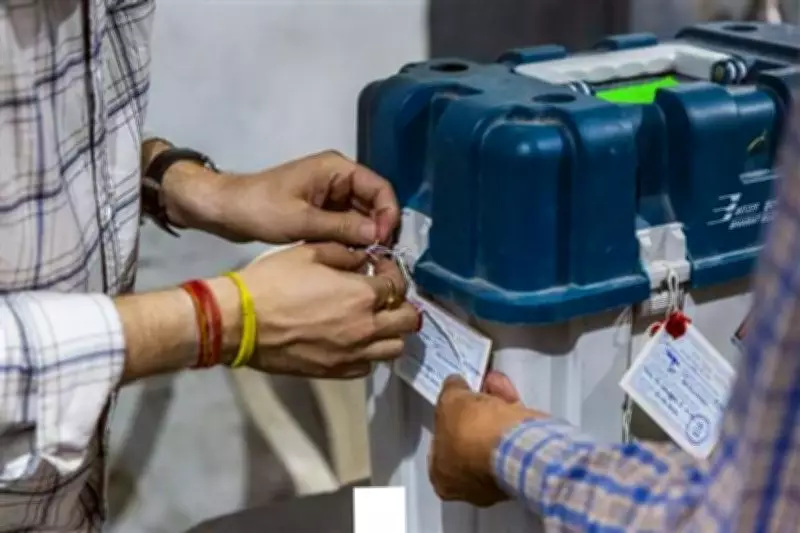
Condensed Voting Period but Delayed Counting in Five Assemblies This Time
The election schedule for five assemblies, announced on Sunday, has introduced several notable changes, including a condensed voting period and delayed counting, sparking debate and allegations from opposition parties.
Key Changes in the Election Schedule
The upcoming elections will feature a 20-day voting period, significantly shorter than previous rounds. In contrast, the 2021 elections for these same assemblies had eight voting days spread across almost a month. This time, votes will be counted on the fifth day after the last polling date, compared to the third day in 2021.
The polling days are scheduled as follows:

- First polling day: April 9
- Second polling day: April 23
- Last polling day: April 29
This arrangement includes a longer gap between the first two voting days, while the final phase is closely timed.
Comparison with Previous Elections
In the 2021 assembly elections, West Bengal alone had eight phases from March 27 to April 29, with counting on May 2. Tamil Nadu, Kerala, and Puducherry held single-phase polls, while Assam had three phases. The 2024 Lok Sabha elections, which included four assembly polls, spanned seven phases over nearly 40 days, with counting on the third day after the last round.
The recent Bihar assembly election in November 2025 also followed a similar pattern, with two polling days spread across five days and counting three days later.
Opposition Allegations and Political Reactions
Some opposition leaders have alleged that the BJP wanted a delayed election in West Bengal due to public anger over the LPG crisis. They claim the extended gap provides the saffron party more time to campaign in this politically crucial state. Others view the schedule as a strategic move to manage voter sentiment and logistical challenges.
Election Commission's Rationale
Chief Election Commissioner Gyanesh Kumar addressed the compressed phases at a press conference, stating there was a feeling to reduce phases and make things "comfortable" for voters. EC officials, when contacted, emphasized that phases have been compressed for the benefit of voters, though they provided no specific answers to queries about the delayed counting.
Typically, a gap is maintained between the last polling day and counting to allow for repolls if required, ensuring all votes are counted together. This standard practice aims to uphold electoral integrity and efficiency.
The new schedule reflects ongoing adjustments in India's electoral process, balancing voter convenience with administrative needs, while political tensions continue to shape interpretations of these changes.






