

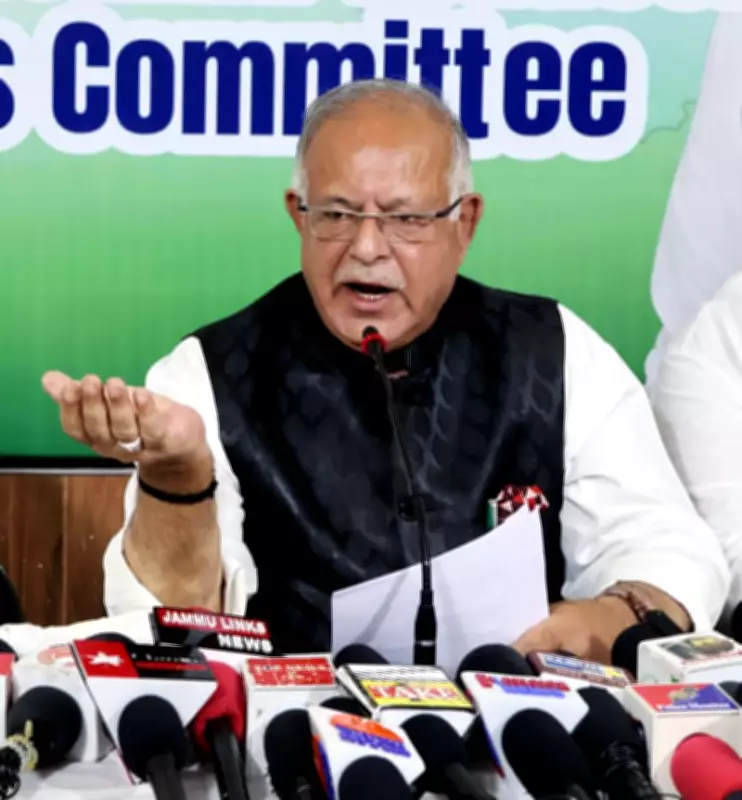
Congress President Mallikarjun Kharge Criticizes Central Government's Approach in Jammu and Kashmir
Congress President Mallikarjun Kharge has launched a sharp critique against the central government, accusing it of treating the people of Jammu and Kashmir as second-class citizens. In a strongly worded statement, Kharge highlighted what he described as systemic issues in governance and the alleged erosion of rights in the region. This accusation comes amid ongoing political debates over the status and treatment of Jammu and Kashmir following its reorganization in 2019.
Allegations of Discriminatory Treatment and Governance Failures
Kharge emphasized that the central government's policies and actions have led to a perceived downgrade in the citizenship status of Jammu and Kashmir residents. He pointed to specific instances where he believes the rights and privileges enjoyed by other Indian citizens are not being extended equally to those in the region. The Congress chief argued that this treatment undermines the principles of equality and justice enshrined in the Indian Constitution.
Furthermore, Kharge cited governance failures, including delays in development projects and inadequate representation in decision-making processes. He claimed that these issues contribute to a sense of alienation and marginalization among the local population. The Congress leader called for immediate corrective measures to ensure that all citizens, regardless of their region, are treated with dignity and fairness.

Political Context and Broader Implications
This criticism is set against the backdrop of Jammu and Kashmir's special status being revoked in 2019, a move that has been contentious. Kharge's remarks reflect ongoing opposition concerns about the handling of the region post-reorganization. He warned that treating Jammu and Kashmir residents as second-class citizens could have long-term negative impacts on national integration and social harmony.
The Congress president urged the central government to engage in more inclusive and transparent governance to address these grievances. He stressed the need for dialogue and collaboration with local stakeholders to rebuild trust and ensure equitable treatment for all. This statement is likely to fuel further political discourse on the issue, with implications for upcoming elections and policy discussions.






