Maharashtra Congress Chief Accuses Government of Attempting to Impose Dictatorship
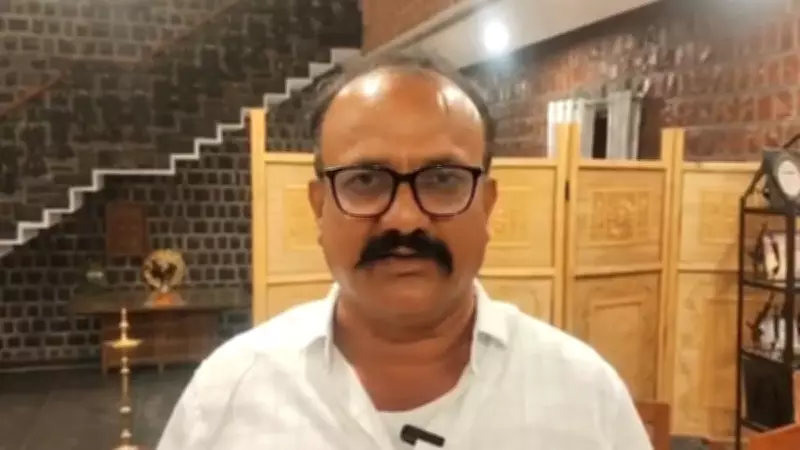
In a strong statement, Maharashtra Congress chief Sapkal has accused the current government of attempting to impose a dictatorship in the country. This criticism comes amid growing concerns over the state of democracy and governance in India.
Serious and Compounding Issues Across the Nation
Sapkal emphasized that the problems faced by various segments of society are not only serious but also compounding. He specifically pointed out the challenges confronting farmers, laborers, women, and youth. According to him, these groups are experiencing worsening conditions that demand immediate attention and action from the authorities.
The plight of farmers has been a long-standing issue, with many struggling due to inadequate support, debt burdens, and market instability. Sapkal highlighted that this crisis is deepening, affecting food security and rural livelihoods across the nation.

Similarly, laborers face significant hardships, including job insecurity, low wages, and poor working conditions. The Congress leader argued that these issues are exacerbating economic inequalities and social unrest.
Women and Youth: Critical Concerns
Women in India continue to grapple with safety concerns, gender discrimination, and limited access to opportunities. Sapkal noted that these problems are becoming more severe, hindering progress toward gender equality and empowerment.
The youth, on the other hand, are dealing with high unemployment rates, educational challenges, and a lack of prospects. Sapkal warned that if these issues are not addressed promptly, they could lead to widespread dissatisfaction and social instability.
In his remarks, Sapkal called for a more inclusive and responsive governance approach. He urged the government to listen to the voices of the people and take concrete steps to resolve these pressing matters.
This statement from the Maharashtra Congress chief reflects ongoing political tensions and debates in India, as opposition parties voice their concerns over the direction of the country's leadership.