The Indian National Congress has launched a sharp criticism against the government following the detention of numerous protesters who were demanding immediate action to address Delhi's deteriorating air quality. The incident occurred near the Supreme Court premises, where environmental activists had gathered to voice their concerns about the capital's pollution crisis.
Protesters Detained Near Supreme Court
According to reports, Delhi Police took several demonstrators into custody on Thursday while they were participating in a peaceful protest highlighting the urgent need for clean air in the national capital. The protesters had assembled in close proximity to the Supreme Court building, carrying banners and placards that emphasized the severe health risks associated with the city's persistent air pollution problems.
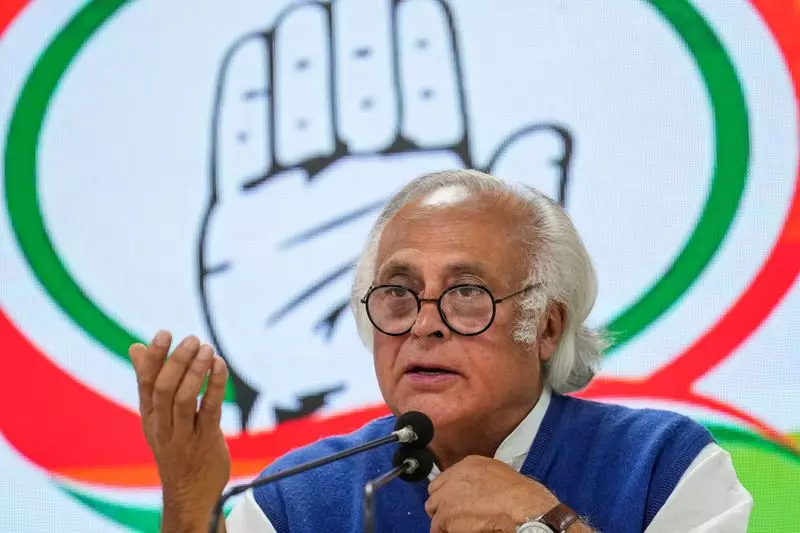
The Congress party swiftly responded to these developments, accusing the authorities of suppressing democratic dissent and ignoring genuine public health concerns. Party representatives emphasized that citizens have every right to protest environmental issues that directly impact their wellbeing and quality of life.

Political Condemnation and Public Health Crisis
The Congress party has strongly condemned what they describe as the government's authoritarian approach toward handling environmental activists. Party spokespersons argued that instead of addressing the root causes of air pollution, the administration is choosing to silence those who dare to speak up about the critical issue.
Delhi has been grappling with dangerously high levels of air pollution for several weeks, with air quality indices frequently entering the 'severe' category. Medical professionals and environmental experts have repeatedly warned about the health implications, particularly for children, elderly citizens, and those with pre-existing respiratory conditions.
The timing of these protests coincides with increasing public anxiety about winter pollution patterns in North India. Agricultural stubble burning in neighboring states, vehicle emissions, and industrial pollution typically combine during this season to create a toxic atmospheric cocktail that blankets the capital region.
Broader Implications for Environmental Activism
This incident raises significant questions about the space for environmental activism in India's democracy. The detention of clean air protesters has sparked a broader discussion about the balance between maintaining public order and protecting citizens' rights to peaceful assembly, especially when addressing critical public health issues.
Environmental groups have expressed solidarity with the detained activists, noting that air pollution represents one of the most pressing public health emergencies facing urban India. They argue that citizen protests play a crucial role in keeping environmental issues at the forefront of policy discussions.
The controversy emerges amid ongoing legal proceedings in the Supreme Court regarding air pollution management in Delhi and surrounding areas. The judiciary has previously expressed serious concerns about implementation gaps in existing pollution control measures and has directed both state and central governments to take more decisive action.
As Delhi continues to struggle with poor air quality, the confrontation between protesters and authorities highlights the growing public frustration with what many perceive as inadequate governmental response to the environmental crisis. The Congress party's vocal criticism signals that air pollution is likely to remain a contentious political issue in the coming months.