The principal opposition party, the Congress, launched a sharp critique against the Narendra Modi-led government on Tuesday, capitalizing on the widespread travel chaos caused by massive flight cancellations by budget carrier IndiGo. The party accused the Prime Minister of betraying his promise of providing "ease of air travel," which it claimed has now morphed into a distressing "cease of air travel" for thousands of stranded passengers across the country.
Political Firestorm Over Aviation Woes
Congress General Secretary Jairam Ramesh spearheaded the attack, taking to social media to highlight the severe inconvenience faced by the public. In a pointed post, Ramesh stated that the government's much-touted guarantee of ease in air travel has spectacularly failed. He emphasized that the situation has deteriorated to a point where air travel has effectively ceased for many, with passengers left in the lurch at airports. This criticism comes at a time when the aviation sector is under intense scrutiny for operational and safety issues.
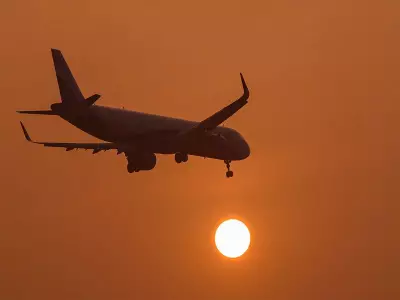
The trigger for this political onslaught was the decision by IndiGo, India's largest airline by market share, to cancel nearly a hundred flights. The cancellations were attributed to a confluence of adverse factors, including severe fog conditions in North India and a persisting shortage of aircraft due to ongoing engine issues with its Pratt & Whitney-powered Airbus A320neo fleet. This perfect storm of events led to significant delays and cancellations, disrupting the travel plans of a vast number of people during a busy period.
The Root of the Travel Chaos
While inclement weather played a role, the Congress leader focused his ire on what he implied were deeper, systemic failures under the current administration's watch. Ramesh connected the immediate crisis to broader concerns about the health of the aviation industry, suggesting that the government's policies and oversight have been lacking. The airline's operational challenges, particularly the grounding of aircraft for engine inspections and repairs, have been a chronic problem, exacerbating the impact of seasonal disruptions like fog.
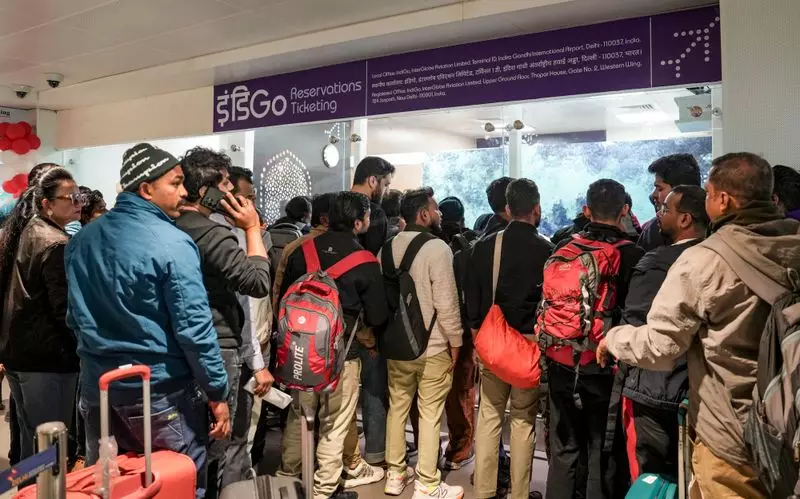
The scene at major airports like Delhi's Indira Gandhi International Airport was one of frustration and confusion. Hundreds of passengers were seen waiting for hours, with many receiving last-minute notifications about cancellations. The lack of timely information and adequate support from the airline added to the travelers' woes, creating a public relations nightmare and opening the door for political criticism.
Broader Implications for Aviation Governance
This incident has sparked a wider debate about the state of India's civil aviation sector. Critics, including the Congress, argue that the government has not done enough to ensure robust infrastructure and hold airlines accountable for operational reliability and passenger welfare. The phrase "ease of air travel" was a cornerstone of the government's development narrative, and the current crisis allows the opposition to challenge its efficacy directly.
The Congress's attack is not merely about one day of cancellations but is framed as an indictment of the government's broader management of critical infrastructure. By using starkly contrasting terms—"ease" versus "cease"—the party aims to create a powerful and memorable critique that resonates with the everyday experiences of the flying public. It underscores a perceived gap between grand promises and ground-level realities in a sector that is vital for both the economy and citizen mobility.
As passengers grapple with uncertainty and airlines navigate technical and environmental challenges, the political fallout continues. The government and the Directorate General of Civil Aviation (DGCA) now face increased pressure to intervene, ensure better contingency planning, and address the underlying issues of aircraft availability and passenger rights to prevent a repeat of such large-scale disruptions.