

Congress Demands Parliamentary Debate on West Asia Conflict, Criticizes PM Modi's Statement
Congress has strongly criticized Prime Minister Narendra Modi's recent statement on the West Asia situation, labeling it as "a master class in self-boasts, cowardice, and partisan dialoguebaazi". The party has formally demanded a debate in Parliament to address the ongoing conflict, allowing all political parties to present their views comprehensively.
Congress's Critique of PM Modi's Remarks
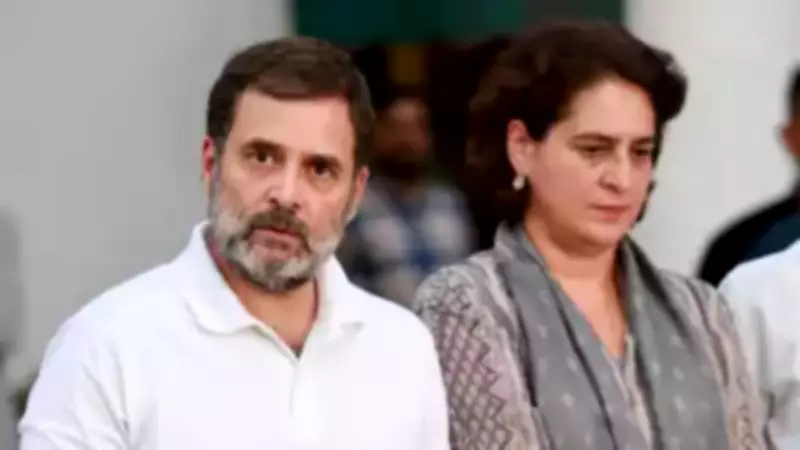
Congress MP Priyanka Gandhi Vadra expressed disappointment, stating that Modi's statement in the Lok Sabha offered nothing new and could have been delivered earlier. She emphasized the need for a discussion, saying, "The notice we have given for discussion should happen so that we can also reply and all sides can put forward their views." This call for dialogue underscores Congress's push for a more inclusive approach to foreign policy debates.
Concerns Over Government's Pandemic Response and Current Crisis
Congress also raised concerns about the Prime Minister's reference to the Covid-19 response in the context of the West Asia crisis. The party described the government's performance during the pandemic as "catastrophic", while expressing hope that the administration would be better prepared in handling the current international tensions. This criticism highlights ongoing scrutiny of the government's crisis management strategies.

International Context and Congressional Demands
Congress spokesperson Jairam Ramesh pointed out that the Prime Minister's statement lacked any condemnation of the continued US-Israeli attacks on Iran. This omission has fueled demands for a parliamentary debate to address India's stance on the escalating Israel-Iran conflict, which includes recent developments such as Iran's threats of retaliation and the US pausing planned strikes. The party seeks clarity and accountability in India's foreign policy amidst these global tensions.
Broader Implications for Indian Politics and Diplomacy
The demand for a debate reflects broader political dynamics, with Congress positioning itself as a vocal opposition on international issues. By challenging the government's narrative and calling for transparency, the party aims to influence public discourse and policy decisions related to West Asia. This move could shape future parliamentary sessions and India's diplomatic engagements in the region.






