Congress Calls for Suspension of India-US Trade Deal Following US Supreme Court Ruling
In a significant political development, the Congress party has demanded that the Indian government immediately put on hold the India-US trade deal. This demand comes in response to the recent decision by the United States Supreme Court, which invalidated the reciprocal tariffs imposed by former President Donald Trump. The opposition party is urging a complete renegotiation of the terms of the agreement, citing concerns over national interests and alleged compromises by the current administration.
Allegations of Betrayal and Surrender
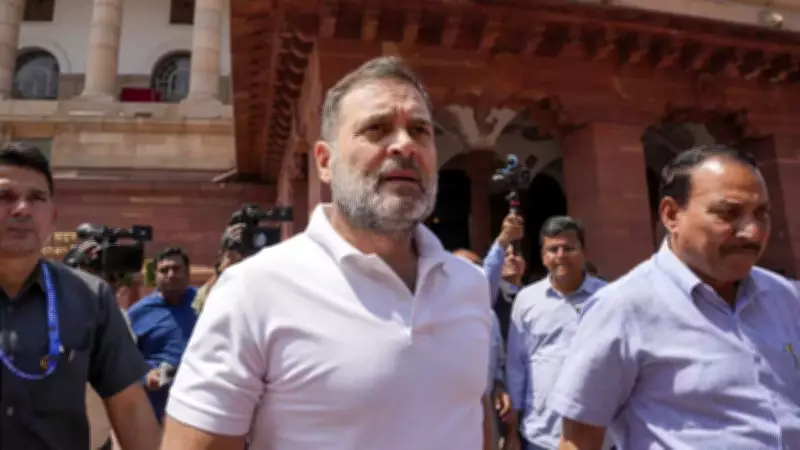
Congress MP Rahul Gandhi launched a scathing attack on Prime Minister Narendra Modi, accusing him of being compromised in the trade negotiations. Gandhi alleged that Modi's betrayal in the deal has now been exposed, stating, He can't renegotiate. He will surrender again. This accusation highlights the deepening political rift over foreign policy and trade agreements under the Modi government.
Congress president Mallikarjun Kharge echoed these sentiments in a post on social media platform X, questioning the government's haste in finalizing the deal. He wrote, Clueless foreign policy or one-sided surrender? Why did the Modi govt not wait for the US SC judgment on tariffs before rushing to fall into a trap deal, which extracted huge concessions from India? Kharge's remarks underscore the party's view that the agreement was rushed and disadvantageous to India.

Legal and Diplomatic Implications
Congress general secretary in-charge communications Jairam Ramesh pointed to specific provisions in the Framework of Interim Agreement that allow for modifications if one country changes the terms. Referring to Trump's statement that the trade agreement still holds despite the Supreme Court decision, Ramesh demanded that Modi clearly state that the framework cannot be implemented under current circumstances. This call for clarity reflects the party's push for a more transparent and equitable approach to international trade.
Further intensifying the criticism, party general secretary Randeep Surjewala questioned whether the Modi government would now prioritize national interest by opting for cheaper crude oil imports from Russia and Iran. This query ties the trade deal debate to broader economic and energy security concerns, suggesting alternative strategies that could benefit India financially.
Broader Political and Economic Context
The Congress party's demands come at a time of heightened scrutiny over India's trade policies and diplomatic engagements. The US Supreme Court's ruling has provided a legal basis for re-evaluating the terms of the trade deal, with the opposition leveraging this to challenge the government's decision-making process. Key points in the controversy include:
- Tariff Invalidations: The US Supreme Court's decision to overturn Trump-era tariffs has raised questions about the stability and fairness of the India-US trade agreement.
- Renegotiation Calls: Congress is advocating for a pause and renegotiation to ensure better terms for India, arguing that the current deal may not align with national economic interests.
- Political Accountability: The allegations against PM Modi and his government highlight ongoing tensions between the ruling party and opposition over foreign policy and trade sovereignty.
As the debate unfolds, the focus remains on how the Indian government will respond to these demands and whether any adjustments will be made to the trade deal in light of the recent legal developments in the United States.