

Congress Accuses Government of Fuel Mismanagement Sparking Major Livelihood Crisis
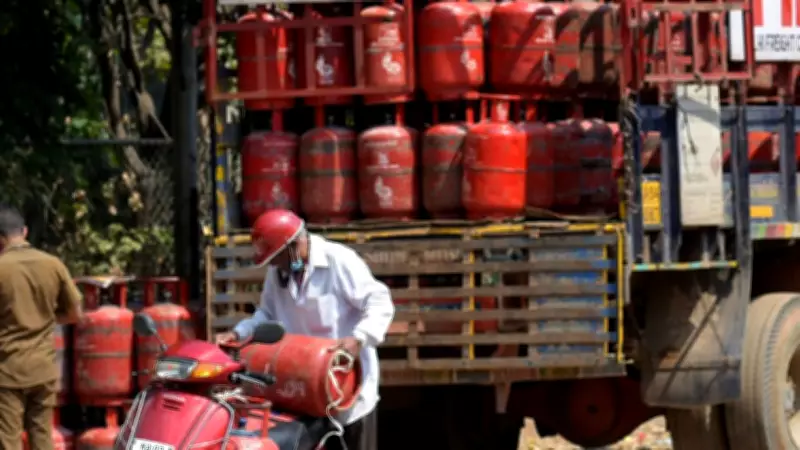
The Indian National Congress has launched a sharp critique against the current administration, alleging that severe mismanagement of fuel resources is precipitating a full-blown livelihood crisis across the country, with Bengaluru emerging as a critical flashpoint. Party leaders have pointed to what they describe as an "artificial shortage" of essential fuels, creating widespread disruption and hardship for citizens.
Drastic Reduction in Operational Fuel Stations Reported
According to detailed allegations presented by Congress representatives, the number of fully operational LPG and CNG refueling stations in Bengaluru has plummeted dramatically. They claim the operational count has fallen from a robust range of 60 to 70 stations down to a mere 10 to 15 stations that are currently functioning. This represents a staggering reduction, amounting to nearly an 80 per cent shutdown of the city's critical fuel infrastructure.
Impact on Daily Life and Economic Activities
This severe contraction in available fueling points is having a cascading effect on the daily lives of Bengaluru's residents and the local economy. The shortage is reported to be causing:

- Long queues and extended waiting times at the few remaining operational stations.
- Increased transportation costs for commuters, auto-rickshaw drivers, and commercial vehicle operators reliant on CNG.
- Disruptions in household cooking and heating due to limited LPG cylinder availability.
- Potential slowdowns in logistics, delivery services, and other sectors dependent on consistent fuel supply.
The Congress party frames this situation not merely as an inconvenience but as a systemic failure in governance that directly threatens livelihoods, especially for those in the gig economy, transportation, and small-scale industries.
Political Repercussions and Calls for Accountability
By highlighting this issue, the Congress is positioning it as a key failure of public administration and resource management. The allegation of an "artificial shortage" suggests a deliberate or negligent creation of the crisis, rather than a result of natural supply chain disruptions. This charge is likely to fuel further political debate and demands for immediate governmental intervention to restore normalcy.
The situation in Bengaluru, a major metropolitan and tech hub, underscores the broader vulnerabilities in India's urban fuel distribution networks. As of the latest reports, the crisis remains unresolved, with citizens bearing the brunt of the operational collapse. The Congress's accusations bring to the forefront urgent questions about supply chain resilience, regulatory oversight, and emergency response protocols for essential commodities like fuel.






