

Congress Alleges Government 'Bulldozing' Delimitation Through Women's Reservation Bill
The Congress party has launched a sharp criticism against the government, accusing it of attempting to 'bulldoze' delimitation under the guise of the women's reservation bill. This accusation comes in response to the introduction of the Constitution (131st Amendment) Bill in the Lok Sabha on Thursday, which aims to modify the existing women's quota law.
Introduction of the Bill Amidst Political Tensions
The bill was presented in the lower house of Parliament after a division of votes, highlighting the contentious nature of the legislative process. According to reports, the move has sparked significant debate among political circles, with the Congress party leading the opposition's charge.
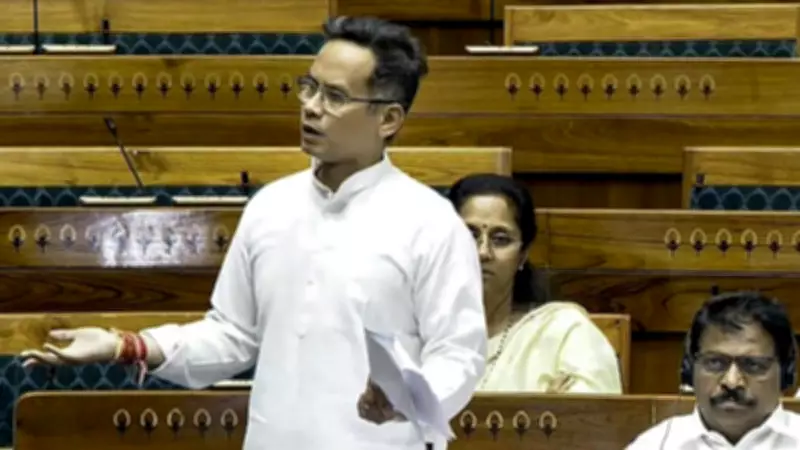
Gaurav Gogoi, a prominent Congress leader, has been vocal in condemning the government's approach. He argues that the bill is being used as a tool to push through delimitation exercises, which could have far-reaching implications for electoral boundaries and representation in India.

Key Points of Contention
- The Constitution (131st Amendment) Bill seeks to tweak the women's reservation law, originally designed to enhance female participation in politics.
- Congress alleges that the government is leveraging this bill to expedite delimitation, a process that redraws parliamentary and assembly constituencies.
- The introduction followed a vote division, indicating lack of consensus and potential political maneuvering.
This development underscores the ongoing tensions in Indian politics, where legislative measures often become battlegrounds for broader ideological and strategic conflicts. The women's reservation bill, long debated for its role in promoting gender equality, is now at the center of a new controversy over delimitation.
As the bill progresses through Parliament, it is expected to face further scrutiny and opposition, particularly from parties like Congress that view it as a veiled attempt to alter electoral dynamics. The outcome could significantly impact future elections and the representation of women in Indian democracy.






