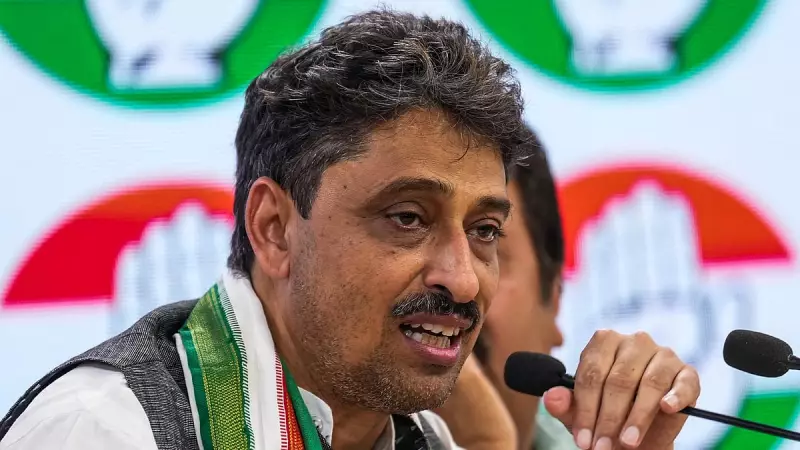
Congress Member of Parliament Masood has launched a sharp critique against the government, accusing it of utilizing identity verification procedures to propagate hatred and disrespect religious figures. Speaking to journalists during a press interaction, Masood expressed deep concern over what he described as a bizarre and escalating situation in the country.
Allegations of Insult to Religious Authorities
Masood highlighted that even esteemed religious leaders are now being subjected to demands to prove their identities under current policies. He provided a specific example, stating, "If you are a Shankaracharya, you are asked to prove that as well." This remark underscores his belief that such actions constitute a grave insult to religious heads who hold significant spiritual and cultural authority in India.
Context and Broader Implications
The Congress MP's comments come amid ongoing debates about identity verification measures and their implementation across various sectors. Masood argued that these practices are not merely administrative but are being weaponized to foster division and disrespect. He emphasized that targeting religious figures in this manner undermines the secular fabric of the nation and could lead to increased social tensions.

In his statement, Masood did not specify the exact instances or government departments involved, but his allegations point to a broader pattern of what he perceives as discriminatory actions. The situation, as he described it, reflects a troubling trend where identity checks are being extended beyond their intended scope, potentially alienating communities and eroding trust in institutions.
Political Reactions and Future Outlook
This criticism adds to the ongoing political discourse in India, where issues of identity, religion, and governance frequently intersect. Masood's remarks are likely to resonate within opposition circles and among groups concerned about religious freedom and dignity. As the government has yet to respond to these specific allegations, the controversy may fuel further discussions in parliamentary sessions and public forums.
Observers note that such statements could influence upcoming political strategies and public opinion, especially in a climate where identity politics plays a significant role. The broader implications for policy adjustments and inter-community relations remain to be seen, but Masood's outcry highlights the need for careful consideration in implementing identity-related measures to avoid unintended consequences.