

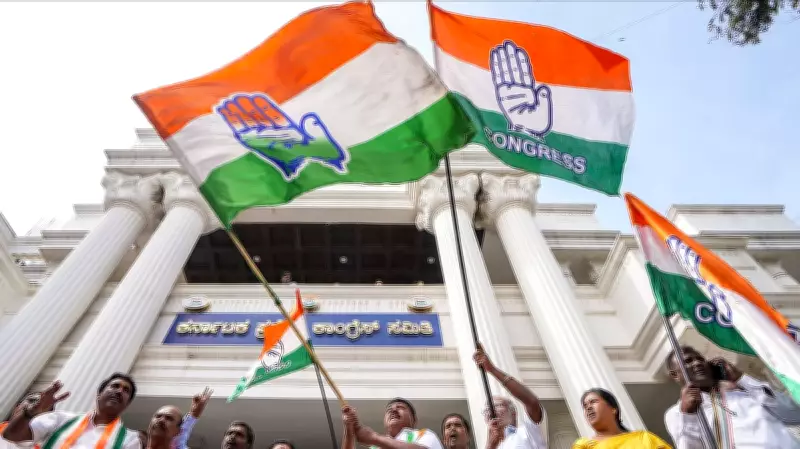
The Congress party is considering the establishment of coordination committees as part of a strategy to decentralise control within the organisation. The model is inspired by the United Progressive Alliance (UPA) Coordination Committee, but this new mechanism will function as an inner-party apparatus to ensure that governance remains on track and that the party leadership and the state governments are aligned in their objectives.
Decentralisation Efforts
This move comes as the Congress party currently holds power in four states: Karnataka, Telangana, Kerala, and Himachal Pradesh. The coordination committees are expected to streamline communication and decision-making between the central party leadership and these state governments. By decentralising control, the party aims to empower state-level leaders while maintaining overall coherence with the national agenda.
Mechanism and Purpose
The proposed committees will act as a bridge, ensuring that policies and governance strategies are implemented effectively across states. They will also help in resolving any discrepancies between the party's central directives and state-level actions. This inner-party mechanism is designed to foster unity and prevent conflicts, thereby strengthening the party's organisational structure.

Background and Context
The UPA Coordination Committee was a similar platform used during the Congress-led coalition government at the centre. However, the new committees will be purely internal to the Congress party, focusing on coordination between the party high command and the state governments. This initiative reflects the party's recognition of the need for more streamlined governance and collective decision-making.
Political analysts view this as a step towards modernising the party's functioning, especially in an era where regional dynamics play a crucial role in national politics. The success of this model could set a precedent for other political parties seeking to balance central authority with regional autonomy.






