

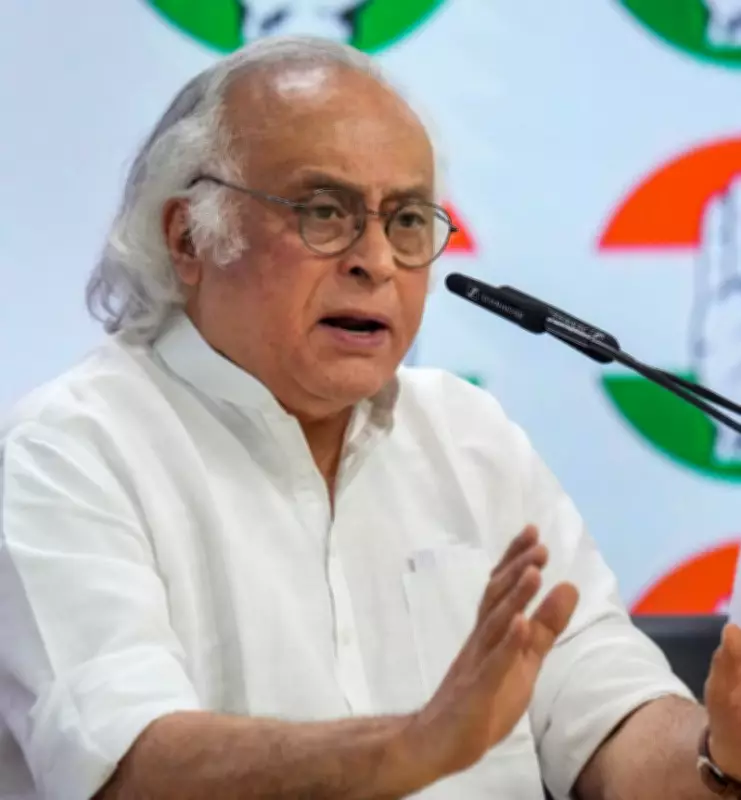
Congress Demands Special Session for Women's Reservation Bill in Parliament
In a significant political move, Congress leader Jairam Ramesh has publicly released letters written by party president Mallikarjun Kharge to Law Minister Kiren Rijiju. The correspondence centers on the urgent demand for a special session of Parliament dedicated to the long-pending Women's Reservation Bill. This development comes as the issue of gender representation in legislative bodies gains renewed attention ahead of potential parliamentary discussions.
Details of the Released Correspondence
The letters, made available to the media, outline the Congress party's firm stance on the necessity of enacting the Women's Reservation Bill. Mallikarjun Kharge, in his communications to Law Minister Kiren Rijiju, emphasized the critical importance of reserving seats for women in both the Lok Sabha and state legislative assemblies. The correspondence highlights the party's view that this legislative measure is essential for promoting gender equality and empowering women in the political arena across India.
Key points from the letters include:

- A call for an immediate special parliamentary session to debate and pass the Women's Reservation Bill.
- Arguments that the bill has been delayed for too long, affecting women's participation in governance.
- References to historical support for the bill from various political quarters, including past initiatives.
Political Implications and Reactions
This release by Jairam Ramesh is seen as a strategic effort to pressure the government into addressing the Women's Reservation Bill. By making the letters public, the Congress aims to highlight what it perceives as inaction or delays on the part of the ruling administration. The move has sparked discussions among political analysts, with many viewing it as part of broader opposition tactics to bring gender issues to the forefront of national discourse.
Observers note that the Women's Reservation Bill, which proposes to reserve one-third of seats in Parliament and state legislatures for women, has faced numerous hurdles since its initial introduction. Despite bipartisan support in principle, its passage has been stalled due to various political and logistical challenges.
The response from Law Minister Kiren Rijiju or the government is awaited, as this development could influence upcoming parliamentary agendas. The Congress party's action underscores the ongoing debate over women's representation in Indian politics, a topic that resonates with advocacy groups and the public alike.






