

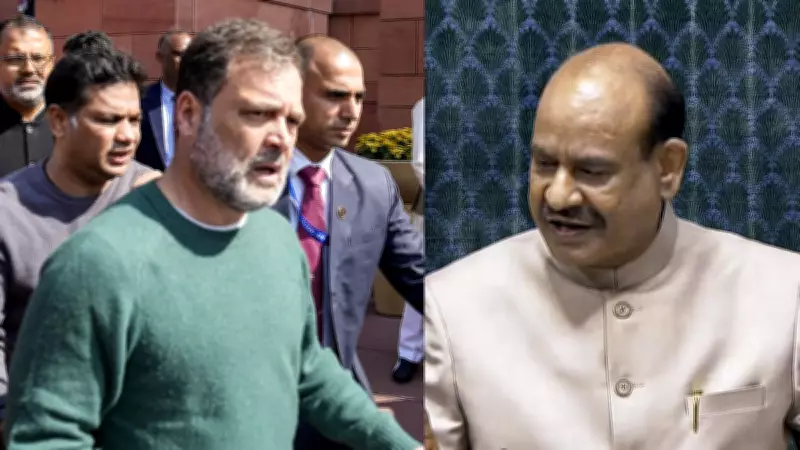
Congress Intensifies Campaign for Lok Sabha Speaker Om Birla's Removal
The political landscape in India has been significantly heated as the Congress party escalates its direct confrontation with Lok Sabha Speaker Om Birla. In a bold and unprecedented move, the principal opposition party has initiated a formal campaign to collect signatures from Members of Parliament, aiming to build a case for the removal of the Speaker from his prestigious constitutional position.
Root Cause: Rahul Gandhi's Speech Disallowed in Parliament
The genesis of this intense political conflict traces back to a recent session of the Lok Sabha during the debate on the Motion of Thanks to the President's Address. Congress leader Rahul Gandhi was scheduled to speak, intending to reference content from the unpublished memoirs of former Indian Army Chief General M M Naravane. However, Speaker Om Birla intervened, disallowing Gandhi from citing these unpublished materials, citing parliamentary rules and protocols that govern the admissibility of documents during official proceedings.
This decision by the Speaker has ignited a firestorm of protest from the Opposition benches, with Congress and its allies expressing vehement dissent. They argue that the disallowance was an arbitrary act that stifled democratic debate and undermined the rights of elected representatives to raise pertinent issues in the House.

Opposition Mobilizes Signature Drive Against Speaker
In response to what they perceive as an infringement on parliamentary democracy, the Congress party has taken the extraordinary step of mobilizing a signature campaign. This initiative seeks to gather support from a broad coalition of opposition MPs to formally petition for Speaker Om Birla's removal. The move underscores the deepening rift between the ruling establishment and the opposition, highlighting the volatile nature of current Indian politics.
The collection of signatures is not merely a symbolic gesture but a strategic effort to demonstrate a lack of confidence in the Speaker's impartiality and leadership. By rallying MPs around this cause, Congress aims to pressure the government and parliamentary authorities to address their grievances, potentially leading to a constitutional crisis if the campaign gains substantial traction.
Broader Implications for Parliamentary Functioning
This escalating conflict raises critical questions about the functioning of India's parliamentary democracy. The role of the Lok Sabha Speaker is traditionally seen as neutral, tasked with ensuring orderly debate and upholding the rules of the House. However, the current controversy threatens to politicize this position, with potential long-term consequences for legislative proceedings and inter-party relations.
The opposition's uproar reflects broader tensions over freedom of speech within Parliament and the boundaries of acceptable discourse. As the signature drive progresses, political analysts are closely monitoring the situation, noting that such confrontations could set precedents for future parliamentary conduct and the balance of power between the government and opposition.
With the political temperature rising, all eyes are on how this signature campaign will unfold and whether it will lead to any formal action against Speaker Om Birla. The outcome could significantly influence the dynamics of Indian politics in the coming months, shaping debates on governance, accountability, and democratic norms.






