

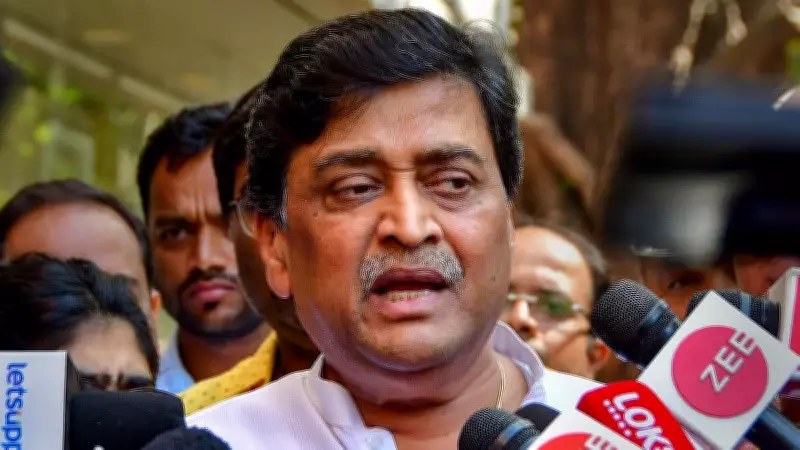
Congress Party Condemns Ashok Chavan's Stance on Women's Quota Legislation
The Indian National Congress has launched a sharp attack on senior politician and Rajya Sabha member Ashok Chavan following his recent comments regarding the women's reservation bill. In a strongly worded post on social media platform X, the party accused Chavan of "betrayal" and reminded him of the Congress's historical leadership in advancing women's political representation.
Historical Context and Political Legacy
The Congress emphasized its pioneering role in establishing women's quotas in local governance bodies, a landmark initiative spearheaded under the leadership of former Prime Minister Rajiv Gandhi. This historical precedent, the party asserted, underscores its longstanding commitment to gender equality in Indian politics.
The social media statement directly challenged Chavan's position, suggesting that his remarks contradicted the party's legacy and principles. The Congress's response highlights the ongoing internal and external debates surrounding the implementation and scope of the women's reservation bill, which aims to allocate seats for women in legislative bodies.

Political Implications and Regional Dynamics
This public confrontation occurs within the broader context of Maharashtra's political landscape, where Ashok Chavan remains a significant figure. The exchange signals potential tensions within political alignments and reflects the contentious nature of quota-based legislation in India's democratic framework.
The Congress's critique aligns with its strategy to reaffirm its historical contributions to social reforms while positioning itself against perceived deviations by former allies or members. The party's statement did not elaborate on specific details of Chavan's remarks but framed them as inconsistent with the progressive values it champions.
Broader Discourse on Women's Representation
This incident contributes to the national conversation about women's political empowerment and the mechanisms to achieve it. The women's reservation bill has been a subject of prolonged parliamentary discussion, with various parties advocating for different versions and implementation timelines.
By invoking Rajiv Gandhi's legacy, the Congress seeks to bolster its credibility on gender issues and contrast its record with that of other political entities. The party's assertive response indicates its intent to maintain a firm stance on this policy matter, especially as electoral considerations and coalition dynamics evolve.
The development underscores the complex interplay between historical legacy, contemporary politics, and policy advocacy in India's multiparty system. As debates over the women's quota bill continue, such exchanges are likely to influence public perception and political negotiations.






